Comprehensive Guide to Buying Medical Devices: Ensuring Safety and Excellence in Healthcare
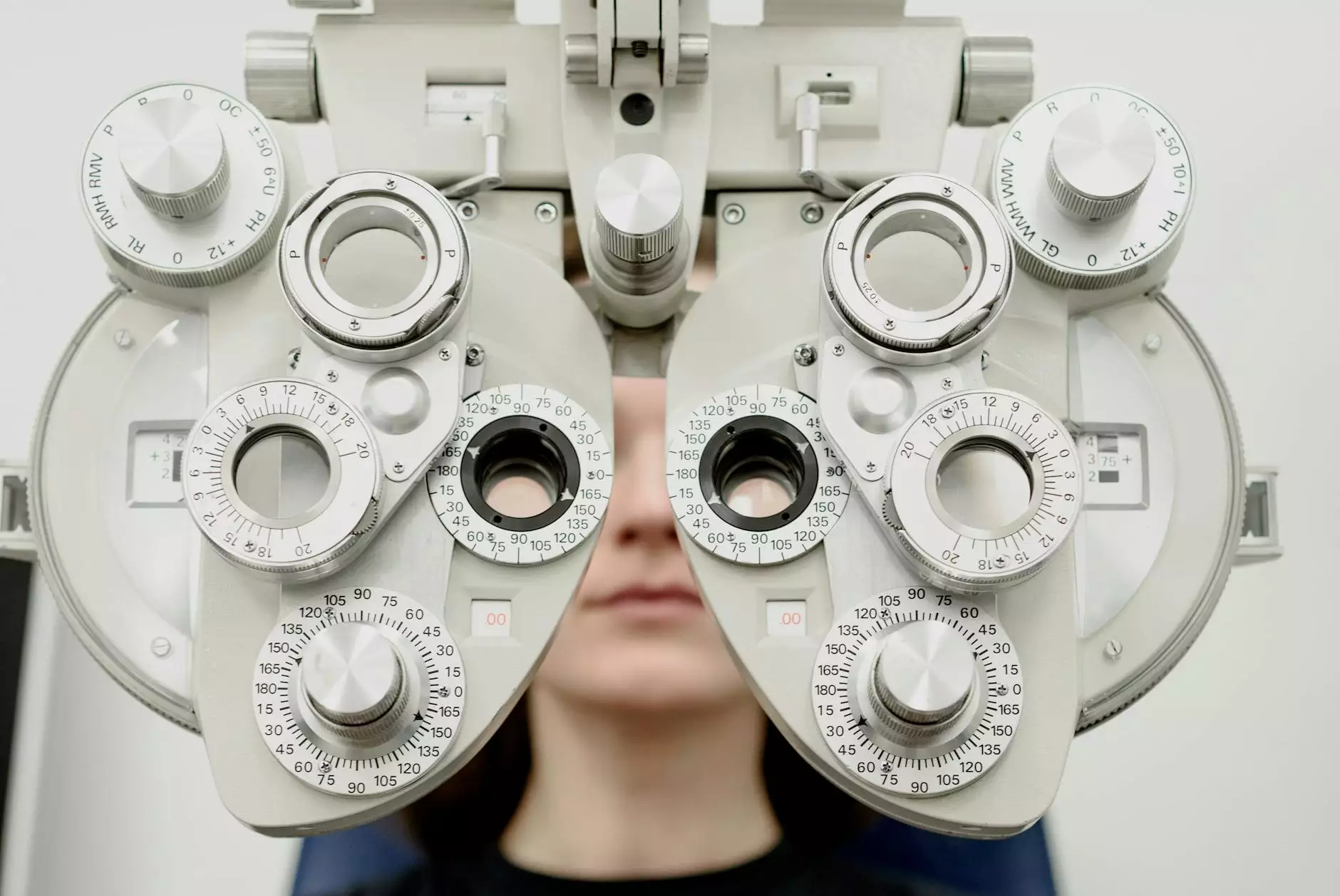
In today’s rapidly advancing medical landscape, the importance of purchasing high-quality medical devices cannot be overstated. The right equipment not only improves diagnostic accuracy and treatment outcomes but also guarantees safety for patients and healthcare professionals. Whether you are setting up a new healthcare facility or upgrading existing infrastructure, understanding the intricacies of the market, especially in specialized areas such as radiation shielding materials and devices, is crucial. This comprehensive guide aims to equip you with all the necessary insights to make informed decisions when buying medical devices, ensuring optimal performance, safety, and compliance.
Why Choosing the Right Medical Devices is Fundamental to Healthcare Success
In the realm of healthcare, medical devices serve as the backbone of diagnosis, treatment, and patient monitoring. They are pivotal in delivering accurate data, minimizing risks, and improving patient outcomes. Investing in superior medical technology ensures healthcare providers can operate efficiently, adhere to regulatory standards, and uphold patient safety with confidence.
From simple instruments such as stethoscopes to complex machinery like MRI scanners and radiation shielding devices, each piece of equipment must meet stringent criteria for quality, reliability, and safety. This is especially true for devices involved in handling radiation, where radiation shielding materials and devices play an essential role in protecting staff and patients from harmful exposure.
The Market for Medical Devices: Trends and Opportunities
Recent years have seen a significant surge in technological innovation within the healthcare sector. Advancements in digital health, automation, and radiation shielding technology have transformed medical practices, making procedures safer and more effective. The global medical device market is projected to grow considerably, driven by increasing healthcare needs, regulatory support, and a focus on patient safety.
Key trends include:
- Smart Medical Devices: integration of IoT and AI for real-time data management and predictive analytics.
- Minimally Invasive Technologies: enabling procedures that reduce patient recovery times and reduce risks.
- Enhanced Radiation Shielding: innovations in materials and device design to improve safety in radiology and nuclear medicine.
- Regulatory Compliance: adherence to strict standards such as FDA, CE, and ISO for quality assurance.
- Cost-Effective Solutions: balancing quality with affordability, making advanced technology accessible to more facilities.
Critical Considerations When Buying Medical Devices
Procurement of medical devices involves navigating various factors that determine their suitability and long-term value. Here are vital considerations:
1. Regulatory Approval and Certification
Ensuring that the devices conform with national and international standards is paramount. Look for products that come with clear certification from recognized agencies such as the FDA, CE Mark, or ISO. This guarantees compliance with safety, performance, and quality benchmarks.
2. Quality and Reliability
High-quality devices are made from durable, proven materials and manufactured with precision. For radiation shielding materials and devices, this means using lead, tungsten, or alternative composites designed to provide effective protection without degradation over time.
3. Compatibility and Integration
Devices should seamlessly integrate with existing systems. Compatibility minimizes operational disruptions and ensures comprehensive functionality, especially in complex setups such as radiology departments.
4. Technical Support and Service
Availability of technical assistance, warranties, and maintenance services significantly enhances device longevity and performance. Reliable suppliers offer training and responsive customer support.
5. Cost and Return on Investment
While budget constraints are real, opting exclusively for the cheapest options can be detrimental. Focus on value — durable, efficient, and compliant devices provide the best return over time.
Special Focus: Radiation Shielding Materials and Devices
Within the medical device sector, radiation shielding holds particular importance due to its role in protecting healthcare workers and patients from ionizing radiation during procedures such as X-rays, CT scans, radiotherapy, and nuclear medicine. High-quality radiation shielding materials and devices are vital components of a safe healthcare environment.
Understanding Radiation Shielding Materials
Effective radiation shielding materials are designed to absorb or block radiation waves, minimizing leakage and scatter. Commonly used materials include:
- Lead: The traditional gold standard due to its high density and atomic number, offering excellent attenuation properties.
- Wolfram (Tungsten): Heavier and more durable than lead, tungsten is increasingly popular due to environmental concerns and regulatory restrictions on lead usage.
- Composite Materials: These combine tungsten, epoxy, and other substances to provide lightweight yet effective shielding options, suitable for portable or space-constrained applications.
Radiation Shielding Devices: Types and Benefits
Manufacturers produce various radiation shielding devices tailored for specific applications, including:
- Lead Barriers and Walls: Stationary installations used in radiology rooms to contain radiation in designated areas.
- Portable Shields: Mobile shields that can be positioned as needed, offering flexibility for various procedures.
- Shielding Aprons and Garments: Protecting personnel during procedures involving radiation exposure.
- Shielding Cabinets and Couches: For housing radioactive sources safely without risk to staff or patients.
Investing in high-grade radiation shielding devices from reputable manufacturers like ovmdevice.com ensures compliance with safety standards and reduces long-term risks.
How to Buy Medical Devices from Trusted Suppliers
Safe and effective procurement involves working with reliable suppliers who prioritize quality, transparency, and customer support. Here's a step-by-step approach:
- Research and Shortlist: Identify suppliers with proven experience and positive reviews in your region and specialty areas such as radiation shielding.
- Assess Product Portfolios: Review technical specifications, certifications, and compliance standards for each device.
- Request Demonstrations and Samples: Whenever possible, test the devices to evaluate performance and compatibility.
- Verify After-Sales Support: Confirm the availability of maintenance, training, and warranty services.
- Compare Pricing and Terms: Balance cost considerations with product quality and supplier reliability.
- Place Orders and Ensure Proper Documentation: Maintain records of certifications, purchase agreements, and warranties.
Benefits of Partnering with Leading Medical Device Providers
Partnering with reputable providers, such as ovmdevice.com, offers several advantages:
- Access to Certified, High-Quality Equipment: Ensuring safety, performance, and durability.
- Expertise and Consultation: Professional advice on the latest technology and procurement strategies.
- Flexible Purchase Options: Customizable solutions tailored to your facility’s needs.
- Ongoing Support and Maintenance: Minimize downtime and keep devices operating optimally.
- Compliance and Safety Assurance: Meet regulatory standards effortlessly.
Conclusion: The Significance of Thoughtful Investment in Medical Devices
In the complex and ever-evolving world of healthcare, buying medical devices is more than a procurement decision—it's an investment in safety, efficiency, and quality patient care. Whether it involves radiation shielding materials and devices or other essential equipment, choosing products that meet rigorous standards guarantees that healthcare providers can deliver the best possible outcomes while minimizing risks.
By thoroughly researching, evaluating suppliers, and prioritizing quality and compliance, institutions can optimize their operations, safeguard their staff and patients, and stay at the forefront of medical innovation. Remember, the right equipment not only enhances operational effectiveness but also signifies a commitment to excellence in healthcare delivery.
For trusted, certified, and innovative medical devices, visit ovmdevice.com. Their comprehensive range of radiation shielding materials and devices exemplifies quality and safety—paving the way for a healthier tomorrow.