Maximizing Business Success with Airline Cargo Tracking: The Future of Logistics and Transportation
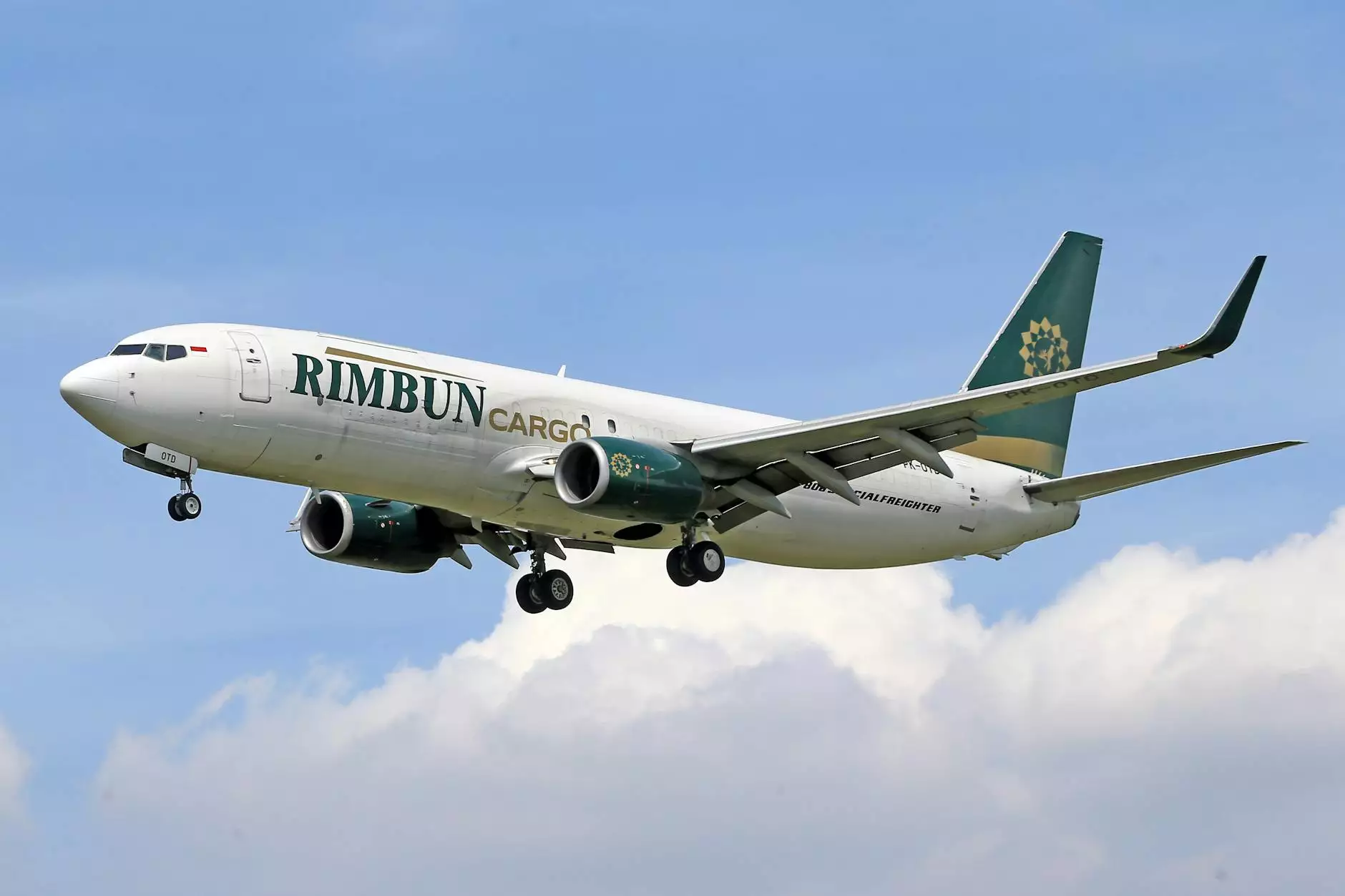
In the rapidly evolving sphere of global commerce, airline cargo tracking stands out as a critical component for modern logistics management. As businesses seek faster delivery times, increased transparency, and reliable shipment security, the technology behind cargo tracking has become indispensable. This comprehensive guide explores how airline cargo tracking not only revolutionizes shipping operations but also propels the entire economy of the transportation industry—spanning shipping centers, airports, and transportation networks.
Understanding the Significance of Airline Cargo Tracking in Modern Business
At its core, airline cargo tracking refers to the sophisticated systems and processes that enable logistics companies, shipping centers, and airlines to monitor the movement of freight in real time. This technology serves as the backbone of efficient supply chains, providing vital data for stakeholders across industries such as manufacturing, retail, pharmaceuticals, and perishable goods. An effective cargo tracking system helps in:
- Enhancing transparency: Customers and clients can see exactly where their shipments are at any given moment.
- Improving security: Early detection of delays or anomalies ensures that cargo remains safe and intact.
- Reducing operational costs: Real-time data reduces the need for manual checks and minimizes delays.
- Optimizing route planning: Airlines and logistics providers can adjust schedules dynamically for maximum efficiency.
- Strengthening customer trust: Transparency fosters confidence and loyalty among clients.
The Evolution of Airline Cargo Tracking Technologies
Since the inception of air freight logistics, tracking has undergone radical transformations. From manual paperwork and basic RFID tags to today's integrated digital platforms, the evolution signifies a commitment to better service and smarter logistics.
Historical Perspective
Initially, cargo visibility was limited to paper documents and spreadsheets—prone to errors and delays. The advent of radio-frequency identification (RFID) and barcoding substantially increased accuracy and data collection capabilities. As technology advanced, global positioning systems (GPS) and satellite communication enabled continuous tracking, regardless of geographic location.
Modern Digital Ecosystems
Today, airline cargo tracking is powered by sophisticated software-as-a-service (SaaS) platforms, IoT integrations, and blockchain solutions. These systems facilitate:
- Real-time data sharing: Across multiple stakeholders, ensuring synchronization.
- Predictive analytics: Advancing proactive decision-making.
- Automated alerts and notifications: Keeping clients and operators informed of any issues.
- Enhanced data security: Leveraging blockchain to prevent tampering and fraud.
The Impact of Airline Cargo Tracking on Shipping Centers and Airports
Shipping centers and airports serve as critical nodes within the global logistics network. The integration of cutting-edge airline cargo tracking transforms their operational capabilities in several key aspects:
Streamlined Operations
By providing real-time tracking, airports can optimize the use of cargo handling equipment, allocate personnel efficiently, and reduce turnaround times. This leads to:
- Fewer delays: Prompt identification and resolution of logistics bottlenecks.
- Enhanced coordination: Among airlines, customs, and ground handlers.
- Improved inventory management: Accurate data on cargo volumes and locations.
Enhanced Security and Compliance
Accurate cargo tracking ensures adherence to safety regulations and facilitates swift responses to potential security threats. Customs agencies rely heavily on digital records to expedite clearance, reducing congestion in busy airports.
Customer Satisfaction and Business Growth
With transparent and consistent updates enabled through airline cargo tracking, businesses across the supply chain can provide superior service. Customers appreciate real-time visibility, which enhances loyalty and encourages repeat business.
How Airline Cargo Tracking Drives Business Success in the Transportation Sector
Effective cargo tracking is more than operational convenience; it is a strategic asset that enhances business agility, competitive advantage, and market reputation. Here’s how:
Reducing Cargo Loss and Damage Risks
By maintaining detailed, accessible logs and employing IoT sensors, companies can detect mishandling or environmental issues (such as temperature deviations) immediately, safeguarding high-value and sensitive cargo.
Improving Delivery Reliability
Precise tracking enables precise ETA estimates, fostering dependability, and allowing customers to plan accordingly. This reliability attracts larger enterprise clients who require strict delivery schedules.
Data-driven Decision Making
Historical tracking data sheds light on patterns and inefficiencies, allowing logistics firms to refine operations, develop better pricing models, and expand their service portfolios.
Facilitating Supply Chain Resilience
In unpredictable circumstances—such as natural disasters or political instability—airline cargo tracking empowers businesses to adapt quickly, reroute shipments if necessary, and maintain service continuity.
Implementing the Best Practices for Effective Airline Cargo Tracking
To harness the full potential of cargo tracking technology, organizations should adopt best practices such as:
- Investing in robust tracking infrastructure: Utilize IoT devices, GPS, and blockchain solutions for comprehensive visibility.
- Ensuring interoperability: Compatibility among different tracking systems facilitates seamless data flow across partners.
- Training personnel: Equip staff with the skills required to manage and interpret tracking data effectively.
- Prioritizing data security: Protect sensitive shipment information through encryption and secure access controls.
- Fostering collaboration: Engage all stakeholders—from airlines to customs—to maximize data sharing and transparency.
The Role of Cargobooking.aero in Enhancing Airline Cargo Tracking
The platform "cargobooking.aero" exemplifies the forefront of innovation in airline cargo management. By integrating advanced technologies and providing a user-friendly interface, it streamlines booking, tracking, and documentation processes across Shipping Centers, Airports, and Transportation networks.
With cargobooking.aero, businesses benefit from:
- Real-time tracking dashboards: Visualize cargo movements at every stage.
- Automated notifications: Receive instant updates on shipment status.
- Integrated documentation management: Simplify customs clearance and compliance.
- Analytics and reporting tools: Identify trends, improve operations, and forecast demand.
- Secure platform: Ensuring data privacy and integrity.
Future Trends in Airline Cargo Tracking and Business Expansion
The logistics industry is poised for continuous innovation driven by emerging technologies:
- Artificial Intelligence (AI): Enhances predictive analytics and automates decision-making.
- Blockchains: Improve transparency, prevent fraud, and streamline cross-border customs processes.
- Internet of Things (IoT): Offers real-time environmental monitoring of sensitive cargo.
- Drone and autonomous vehicle integration: Revolutionize last-mile delivery within airports and shipping centers.
Businesses investing in these advancements position themselves for sustained growth, better customer engagement, and operational excellence.
Conclusion: Unlocking the Power of Airline Cargo Tracking for Your Business
In summary, airline cargo tracking is more than just a technological feature—it's a strategic enabler that affects almost every aspect of transportation, shipping centers, and airport operations. Companies that adopt comprehensive tracking solutions can dramatically improve security, efficiency, and client satisfaction—all while gaining a competitive edge in the global marketplace.
Platforms like cargobooking.aero exemplify how innovation and expertise converge to deliver unmatched service quality. By leveraging these tools, your business can optimize logistics workflows, reduce costs, and expand your market reach with confidence.
As the logistics landscape continues to evolve, embracing airline cargo tracking is not an option but a necessity for anyone aiming to thrive in the ever-competitive world of global trade. Invest in advanced tracking systems today and set your business on the path to long-term success.