The Comprehensive Guide to Wood Stove Pellets
Understanding Wood Stove Pellets
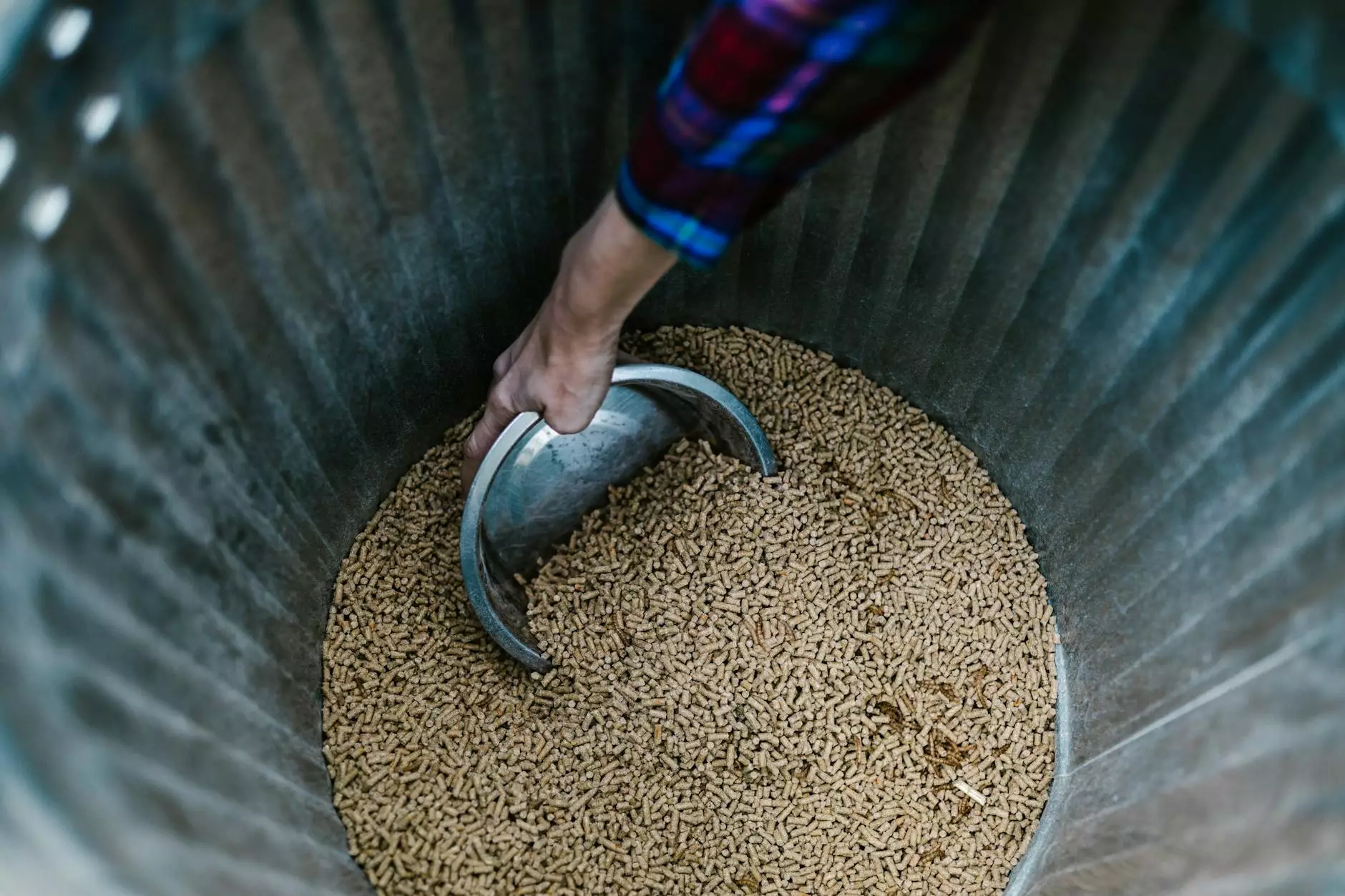
Wood stove pellets are a type of biofuel made from compressed sawdust, wood shavings, and other byproducts of the timber industry. They are increasingly popular as a sustainable and efficient source of heat for residential and commercial properties. The appeal of wood stove pellets lies not only in their eco-friendly origins but also in their cost-effectiveness and convenience in comparison to traditional wood logs.
The Benefits of Using Wood Stove Pellets
Choosing to utilize wood stove pellets for heating can provide numerous advantages, including:
- Efficiency: Wood pellets burn more efficiently than logs, meaning more heat is generated with less product.
- Environmentally Friendly: Made from recycled wood, they are a renewable energy source that reduces carbon emissions.
- Convenience: Pellets are easy to store, handle, and feed into pellet stoves, requiring much less effort than handling firewood.
- Consistency: The uniform size of pellets ensures consistent combustion and reduces the risk of ash buildup.
- Cost-Effectiveness: In many regions, wood pellets are less expensive than other heating fuels.
How to Choose the Right Wood Stove Pellets
When selecting wood stove pellets, consider the following factors to ensure you make the best choice for your heating needs:
1. Quality of Pellets
The quality of wood pellets can vary significantly. Look for pellets that are produced from clean, untreated wood with minimal additives. Ideally, they should have:
- No bark or debris
- A low ash content (typically below 1%)
- A high heat output measured in British Thermal Units (BTUs)
2. Certifications
Check for certifications such as the Pellet Fuel Institute (PFI) certification, which ensures that the pellets meet specific quality and performance standards. Certifications can provide assurance about the pellet's quality and its environmental impact.
3. Size and Shape
Most wood stove pellets are 1/4 inch in diameter and 1-1.5 inches long. However, some stoves have specific requirements regarding pellet size. Always check your stove's manual for the manufacturer's recommendations.
4. Moisture Content
Pellet moisture content is crucial as it affects burning efficiency. High moisture pellets lead to lower heat output and increased emissions. Ideal moisture content should be below 6.5% for optimal performance.
How to Store Wood Stove Pellets
Proper storage of your wood stove pellets is essential to maintain their quality over time. Follow these guidelines:
- Store in a Dry Place: Humidity can cause pellets to absorb moisture, leading to poor combustion. Always store them in a dry, well-ventilated area.
- Keep Them Off the Ground: Use a pallet or shelving to keep the bags off the floor, preventing moisture absorption from the ground.
- Avoid Exposure to Rain or Snow: Protect your pellets from the elements with tarps or waterproof containers.
Heating Efficiency of Wood Stove Pellets
Understanding the heating efficiency of wood stove pellets is essential for both financial and environmental considerations. Here are key points about their efficiency:
High BTU Output
The heat output of wood pellets is typically between 8,000 and 9,000 BTUs per pound. This high energy content means that you need less fuel to produce the same amount of heat compared to traditional firewood.
Burning Efficiency
Pellet stoves are designed to use the pellets efficiently, with many models allowing for automatic feeding of pellets into the combustion chamber. This mechanism maximizes burning efficiency and minimizes the need for frequent refueling.
Environmental Considerations
In today's world, sustainability is key, and the use of wood stove pellets supports environmentally friendly practices:
- Reduced Carbon Footprint: Since they are made from waste products, the use of pellets contributes to less waste in landfills.
- Lower Emissions: Pellets burn cleaner than fossil fuels, generating fewer greenhouse gases.
- Sustainable Forestry Practices: Many pellet manufacturers source their raw materials from sustainable forestry operations.
Common Uses for Wood Stove Pellets
While most commonly known for heating homes, wood stove pellets have a variety of applications:
- Residential Heating: Ideal for homes due to their efficiency and environmental benefits.
- Commercial Heating: Increasingly used in larger settings like schools and office buildings for heating solutions.
- Cooking: Some pellet grills use wood pellets for flavor and cooking efficiency.
- Industrial Applications: Used in processing and manufacturing processes that require heat.
The Future of Wood Stove Pellets
As technology advances and the demand for renewable energy sources rises, the future of wood stove pellets looks promising. Innovations in pellet manufacturing are leading to higher-quality products that maximize energy efficiency.
Moreover, as regulations regarding emissions become stricter, more people are opting for wood pellet stoves, significantly increasing the market potential. Research into enhancing the combustion efficiency of pellets holds the potential for even greater sustainability.
Conclusion
In conclusion, wood stove pellets offer a remarkable blend of efficiency, convenience, and environmental sustainability. As a responsible consumer, making an informed choice about wood pellets enhances not only your heating experience but also contributes positively to the environment. Whether you are a timber merchant, a wood supplier, or a homeowner seeking efficient heating solutions, understanding these facets of wood stove pellets will lead you towards a greener and warmer future.