Corn Weevil Control: Effective Strategies for Farmers
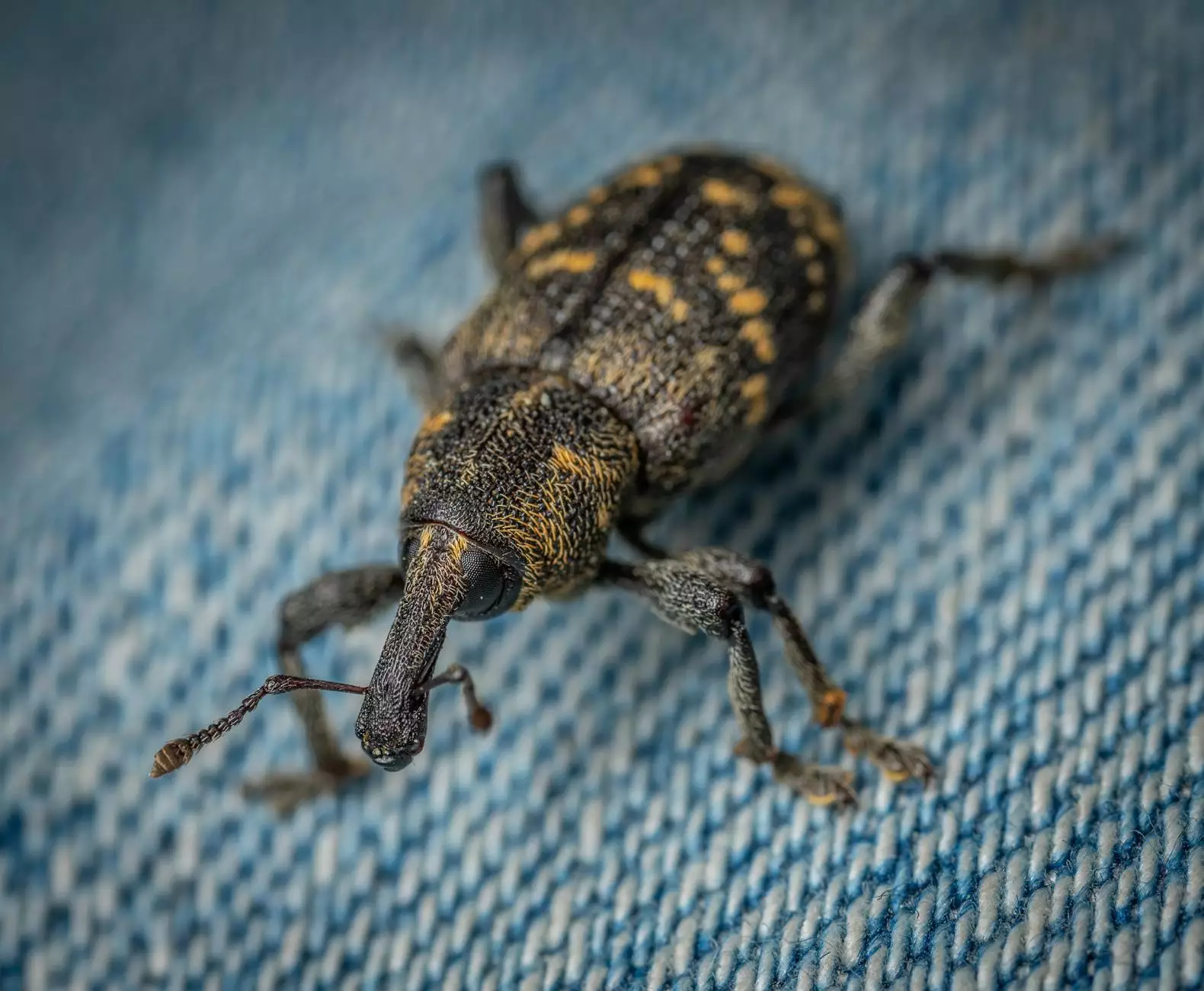
Corn weevils are a significant threat to farmers, particularly for those who depend on maize as a staple crop. Effective corn weevil control is essential to ensuring the health of crops and maximizing yield. In this comprehensive article, we will explore the nature of corn weevils, their impact on farming, and the most effective control strategies available. With the right knowledge and tools, you can protect your farm and ensure its productivity for years to come.
Understanding the Corn Weevil
The corn weevil, scientifically known as Sitophilus zeamais, is a small, cylindrical beetle that primarily attacks stored maize and other cereals. Recognizing the corn weevil's biology and behavior is the first step in developing an effective control strategy.
Life Cycle of the Corn Weevil
The corn weevil undergoes a complete metamorphosis, consisting of four life stages: egg, larva, pupa, and adult. The entire cycle can occur in as little as three weeks under favorable conditions, making it crucial for farmers to act quickly when infestations are suspected.
Egg Stage
The female corn weevil lays eggs directly in the kernels of corn. Each female can produce up to 200 eggs in her lifetime, creating a rapid population increase if left unchecked.
Larval and Pupal Stages
After hatching, the larvae feed on the kernel, causing extensive damage that compromises both quality and yield. Once they mature, they pupate, eventually emerging as adult weevils.
Signs of Corn Weevil Infestation
Farmers should be vigilant for signs of infestation to implement timely corn weevil control measures. Look for:
- Presence of small holes in kernels: Adult weevils chew through the kernels, leaving characteristic holes.
- Powdery residue: This is often seen around infested grains and is a result of larval feeding.
- Adult weevils: Spotting live weevils crawling on the surface of grains is a clear indicator of infestation.
The Economic Impact of Corn Weevil Infestations
The economic implications of corn weevil infestations cannot be overstated. Infestations can lead to:
- Reduced Crop Yields: Weevil feeding significantly affects the quality and quantity of harvested grains.
- Increased Production Costs: Farmers may incur additional costs for pest control measures.
- Market Value Reduction: Damaged grains often fetch lower prices, hurting profit margins.
Effective Corn Weevil Control Strategies
Implementing an all-encompassing corn weevil control strategy is vital. Here are some effective methods:
1. Prevention First: A Proactive Approach
The best way to tackle corn weevil infestations is to prevent them. Consider these preventive measures:
- Cleaning Storage Areas: Thorough cleaning minimizes the risk of infestations by removing residual grains and debris.
- Proper Ventilation: Well-ventilated storage reduces moisture levels, making conditions less favorable for weevil proliferation.
- Regular Inspection: Conduct inspections of stored grains to catch early signs of weevil activity.
2. Physical Control Methods
Physical control strategies can be quite effective:
- Freezing Infested Grains: Exposing grains to freezing temperatures for a specific duration can kill weevil larvae and eggs.
- Heat Treatment: Heating grains to temperatures above 140°F for a specific time can similarly destroy weevil populations.
3. Biological Control Options
Biological control leverages natural predators and parasitoids:
- Beneficial Insects: Certain insect species can parasitize corn weevils and help reduce their numbers.
- Nematodes: Some nematodes are effective against weevil larvae when applied to infested areas.
4. Chemical Control: Targeted Pesticide Use
When infestations occur, chemical control may be necessary:
- Pesticides: Selective use of insecticides can help eliminate adult weevils and larvae. Always follow label instructions for safe and effective use.
- Storage Treatments: Apply treatments to storage areas to create a pest-free environment.
5. Integrated Pest Management (IPM)
An Integrated Pest Management approach combines several practices for effective corn weevil control. This approach respects the environment while maximizing control efficiency. Key components include:
- Monitoring: Keeping a close eye on pest levels allows for timely intervention.
- Threshold Levels: Establishing action thresholds to determine when pest control measures are necessary.
- Record Keeping: Maintaining records of pest occurrences and treatments can help refine future control efforts.
Best Practices for Storage and Handling
Effective management of stored corn can significantly mitigate the risk of corn weevil infestations. Here are best storage practices:
- Store dry grains: Maintaining proper moisture levels is crucial. Grains stored at 13% moisture or lower are less susceptible to infestations.
- Use airtight containers: These help keep pests out and preserve grain quality.
- Regularly rotate stock: This prevents older grains from becoming hosts for pests.
Community Collaboration for Enhanced Control
Farmers should not overlook the power of community cooperation in managing corn weevil populations. Sharing knowledge, strategies, and experiences can lead to:
- Cooperative Pest Monitoring: Establishing community monitoring systems for timely alerts to infestations.
- Collective Treatment Programs: Pooling resources for the application of pest control treatments can enhance their effectiveness and reduce costs.
- Educational Workshops: Organizing training sessions to enhance awareness and skills related to corn weevil control.
Conclusion: Prioritizing Corn Weevil Control for Sustainable Farming
In conclusion, effective corn weevil control is fundamental for sustainable agriculture, particularly for farmers who rely heavily on corn production. By understanding the biology of corn weevils, implementing preventive measures, and employing a variety of control strategies, farmers can safeguard their crops and enhance their operational efficiency.
For farmers looking to enhance their pest management practices, partnering with professionals experienced in farm equipment repair and management, like those at tsgcinc.com, can provide valuable insights and solutions tailored to their needs. Together, we can pave the way for a future where corn weevils are effectively controlled, ensuring the health and productivity of your farming operations.