Understanding Inkjet Inks: A Comprehensive Guide for Your Printing Services
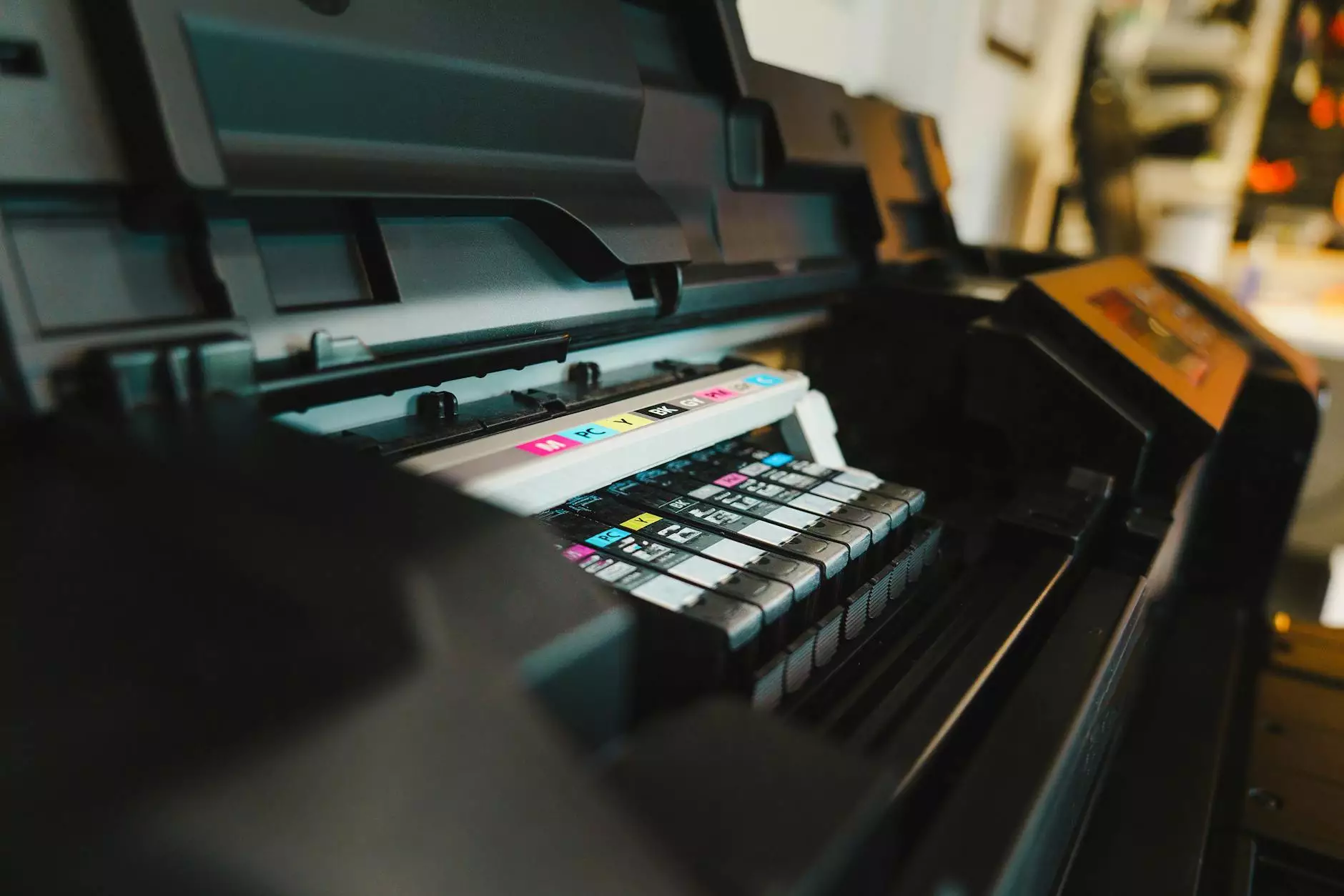
Inkjet inks are fundamental to achieving high-quality print outputs in various applications, from commercial printing to individual crafting projects. In this in-depth article, we will explore the different types of inkjet inks, their properties, and how to select the right kind for your needs, specifically tailored for businesses focusing on printing services.
What Are Inkjet Inks?
Inkjet inks are specially formulated liquids used in inkjet printers to create images on paper. These inks are deposited onto the paper in tiny droplets, allowing for high-resolution printing with vibrant colors and sharp details. There are several types of inkjet inks, each designed for specific printing tasks.
Types of Inkjet Inks
Understanding the various types of inkjet inks available is crucial for selecting the right ink for your printing services. The major categories include:
1. Dye-Based Inks
Dye-based inks consist of colorants dissolved in a liquid solution. They are known for producing vivid, bright colors and are ideal for achieving deep blacks and intense hues.
- Advantages: Excellent color vibrancy, suitable for photos and high-quality prints.
- Disadvantages: Prone to fading over time, especially when exposed to sunlight.
2. Pigment-Based Inks
Pigment-based inks use tiny solid particles suspended in liquid, which makes them more stable and longer-lasting than dye-based inks.
- Advantages: Superior fade resistance and water resistance, making them ideal for archival prints.
- Disadvantages: Typically less vibrant than dye-based inks and can sometimes clog printer nozzles.
3. Sublimation Inks
Sublimation inks are used exclusively for transferring images onto materials like fabrics and ceramics. The ink turns into gas when heated, allowing it to bond with the substrate.
- Advantages: Permanent and vibrant prints on textiles; ideal for custom apparel and promotional items.
- Disadvantages: Requires a specific type of printer and substrate for optimal results.
Choosing the Right Inkjet Ink for Your Business
When selecting inkjet inks for your printing services, consider the following factors:
1. Purpose of Printing
Determine the primary purpose of your printing projects. Will you be creating high-quality photos, banners, or large-scale art prints? The intended use will guide your ink selection.
2. Material Compatibility
Ensure that the ink you choose is compatible with your printer and the materials you plan to print on. Most printers specify the types of inks they accept.
3. Longevity Requirements
If your prints will be on display for an extended period, such as in galleries or exhibitions, opt for pigment-based inks for their superior longevity and resistance to fading.
4. Budget Considerations
While high-quality inks can be more expensive, consider the overall cost when factoring in the longevity and quality of the prints produced. Sometimes a higher initial investment can lead to more satisfied customers and reduced reprints.
The Impact of Ink Quality on Print Output
In the realm of printing services, the quality of the ink directly influences the final product. High-quality inks result in:
- Sharper images: Precise droplet formation leads to clearer and more detailed prints.
- Brighter colors: Quality inks provide more vibrant print results that grab attention.
- Consistency: Reliable inks deliver uniform color and quality across multiple prints.
Common Misconceptions About Inkjet Inks
Several myths surround inkjet inks; clarifying these can help streamline your business operations:
1. All Inks Are the Same
This is not true. Different inks serve distinct purposes and yield varied results. Do your research to choose accordingly.
2. More Expensive Means Better Quality
While pricier inks often come with advanced formulations, it is essential to evaluate their performance in real-world scenarios rather than solely their price point.
How to Maintain Inkjet Printers for Optimal Performance
To ensure your printing services run smoothly, proper maintenance of your inkjet printers is vital:
1. Regular Cleaning
Perform regular print head cleaning to prevent clogs, especially if the printer is not in frequent use.
2. Use the Right Paper
Select paper that matches the type of ink and the intended output quality. This minimizes smudging and bleeding.
3. Store Inks Properly
Keep ink cartridges in a cool, dry place to extend their shelf life and performance.
Innovations in Inkjet Ink Technology
The field of inkjet inks is constantly evolving, with manufacturers developing new formulations that enhance performance. Some notable innovations include:
1. Eco-Friendly Inks
With increased demand for sustainable printing solutions, eco-friendly inks made from natural materials are becoming more widely used.
2. Fast-Drying Formulations
New technologies allow inks to dry more quickly, enabling faster printing times, which is crucial for busy printing services.
The Future of Inkjet Inks in Printing Services
As the industry continues to evolve, the role of inkjet inks will remain pivotal. Businesses that adapt to emerging technologies and trends will stay competitive.
Conclusion
In summary, inkjet inks are a vital aspect of successful printing services. Understanding the different types of inks, how to choose the right one, and maintaining your printing equipment can significantly impact the quality of your final products. As you integrate these practices into your business model, you'll not only improve your print outputs but also enhance customer satisfaction and loyalty.
By staying informed about innovations in ink technology and aligning your offerings with market demands, your printing service can thrive in an ever-changing landscape.
Call to Action
If you’re ready to take your printing services to the next level, explore the range of inkjet inks available at Boston Industrial Solutions. Experience the difference that quality inks can make in your printing endeavors.