The Future of Business Engagement: Virtual Reality Meetings
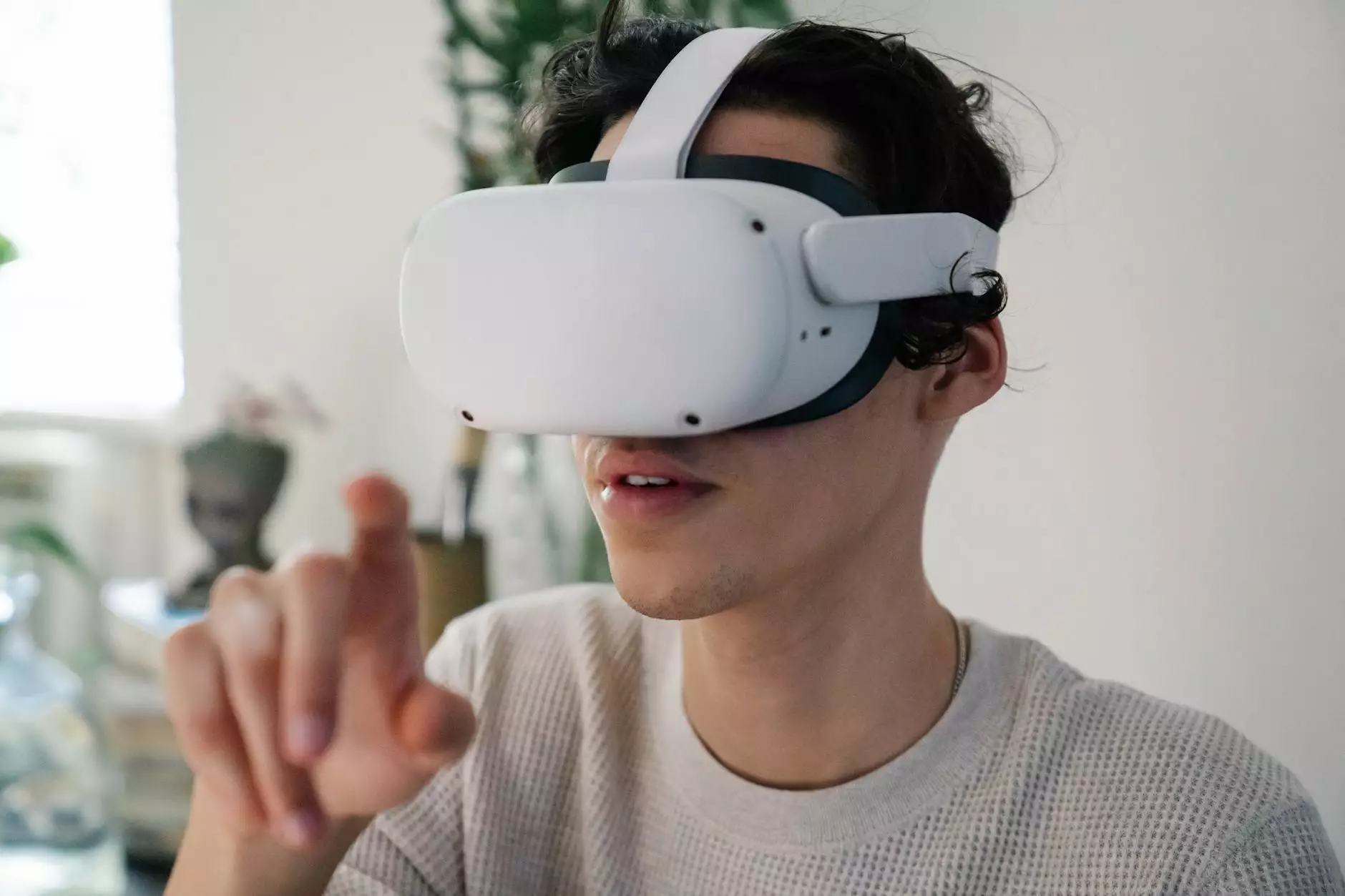
As the world rapidly evolves with technological advancements, businesses are increasingly turning to innovative solutions to enhance productivity and engagement. One of the most groundbreaking developments in this area is the concept of virtual reality meetings. This immersive technology not only revolutionizes the way we collaborate but also transforms the learning experience in educational contexts. In this article, we will delve deep into the multifaceted benefits of virtual reality meetings for businesses and educational institutions, particularly focusing on how rotstudio.com is paving the way in this burgeoning field.
Understanding Virtual Reality Meetings
Virtual reality meetings utilize advanced VR technology to create simulated environments where participants can interact in a shared virtual space, regardless of their physical location. This technology offers a range of applications, from hosting international business conferences to conducting interactive training sessions and educational workshops. Unlike traditional video conferencing tools that often leave users disengaged, virtual reality provides a unique, immersive experience that captures attention and drives engagement.
How Virtual Reality Meetings Work
At its core, a virtual reality meeting requires a few key components:
- VR Headsets: These devices allow users to enter a 3D virtual environment, providing a sense of presence in the meeting space.
- Collaborative Software: Specialized applications facilitate interaction between participants, including features like 3D models, real-time editing, and voice communication.
- High-speed Internet Connection: Ensuring a seamless experience, a stable connection is essential, especially when multiple users are interacting in a single environment.
By utilizing these components, virtual reality meetings create an engaging atmosphere that mimics real-life interactions, thus enhancing collaboration and learning outcomes.
The Advantages of Virtual Reality Meetings
Adopting virtual reality meetings brings a plethora of benefits that vastly improve traditional meeting formats:
1. Enhanced Engagement
One of the most notable advantages of virtual reality meetings is the remarkable level of participant engagement they facilitate. In a VR meeting, individuals can walk around a virtual room, pick up objects, and interact with other avatars, making the experience dynamic and participatory. This heightened engagement leads to better retention of information during training or brainstorming sessions.
2. Global Collaboration
Virtual reality breaks geographical barriers, allowing teams from around the world to meet and collaborate in a shared virtual space. This feature is particularly beneficial for international businesses seeking to unify their workforce and enhance communication. With VR, cultural differences can be acknowledged and addressed more effectively, promoting teamwork across diverse backgrounds.
3. Cost-Effective Solutions
Traditional business meetings often entail considerable costs related to travel, accommodations, and venue rentals. Virtual reality meetings can significantly reduce these expenses by enabling companies to organize high-stakes meetings without the need for physical presence. As a result, businesses can allocate those financial resources toward other critical areas.
4. Customizable Environments
Virtual reality allows companies to create tailored environments that suit their specific needs. Whether it’s a corporate boardroom, a serene park, or an educational classroom, the ability to design your meeting space can positively influence the mood and outcomes of discussions. This aspect of virtual reality meetings can enhance creativity and brainstorming sessions, leading to innovative ideas and solutions.
5. Improved Learning Experiences
In educational contexts, virtual reality meetings can facilitate interactive learning by allowing students and educators to explore complex concepts in a hands-on manner. For instance, they can virtually visit historical sites or manipulate scientific models, making learning both exciting and impactful. Such experiences help students grasp difficult subjects more effectively and can result in higher retention rates.
Case Studies of Successful Virtual Reality Implementations
To understand the real-world impact of virtual reality meetings, let’s examine some organizations that have successfully integrated VR into their operational strategies:
Case Study 1: XYZ Corporation
XYZ Corporation, a multinational tech company, implemented virtual reality meetings to enhance their team collaboration. By utilizing VR platforms, they experienced a 30% increase in productivity during project discussions. The immersive experience led to more effective brainstorming sessions and decreased the time required for decision-making.
Case Study 2: ABC University
ABC University adopted virtual reality for their online courses, allowing students to participate in interactive lectures from anywhere in the world. Feedback showed that students reported a greater understanding of complex materials, with pass rates improving by 25% since the introduction of VR technology in their curriculum.
Best Practices for Hosting Virtual Reality Meetings
To ensure that your virtual reality meetings are productive and engaging, consider the following best practices:
- Define Clear Objectives: Before the meeting, establish specific goals to guide discussions and keep participants on track.
- Test the Technology: Always conduct a trial run of the VR platform to troubleshoot any technical issues ahead of the meeting.
- Encourage Participation: Foster an environment where all participants feel comfortable sharing their opinions and ideas. Use tools within VR to solicit input from everyone.
- Provide Training: Ensure that all users are familiar with the VR platform before meetings. Offering quick training sessions can minimize confusion and maximize productivity.
- Follow-Up: After the meeting, send out summaries and action points to reinforce discussions and keep everyone accountable.
Conclusion
The shift toward virtual reality meetings marks a new era in business and education, fostering immersive experiences that significantly enhance engagement, collaboration, and learning. As the technology continues to evolve, the potential for VR in various industries will only grow. Businesses and educational institutions that embrace this innovation, like rotstudio.com, can position themselves at the forefront of this technological revolution, gaining a competitive edge in a fast-paced world. The future belongs to those who are willing to adapt and grow, and virtual reality is a crucial component of that evolution.