Understanding the Elbow Replacement Cost
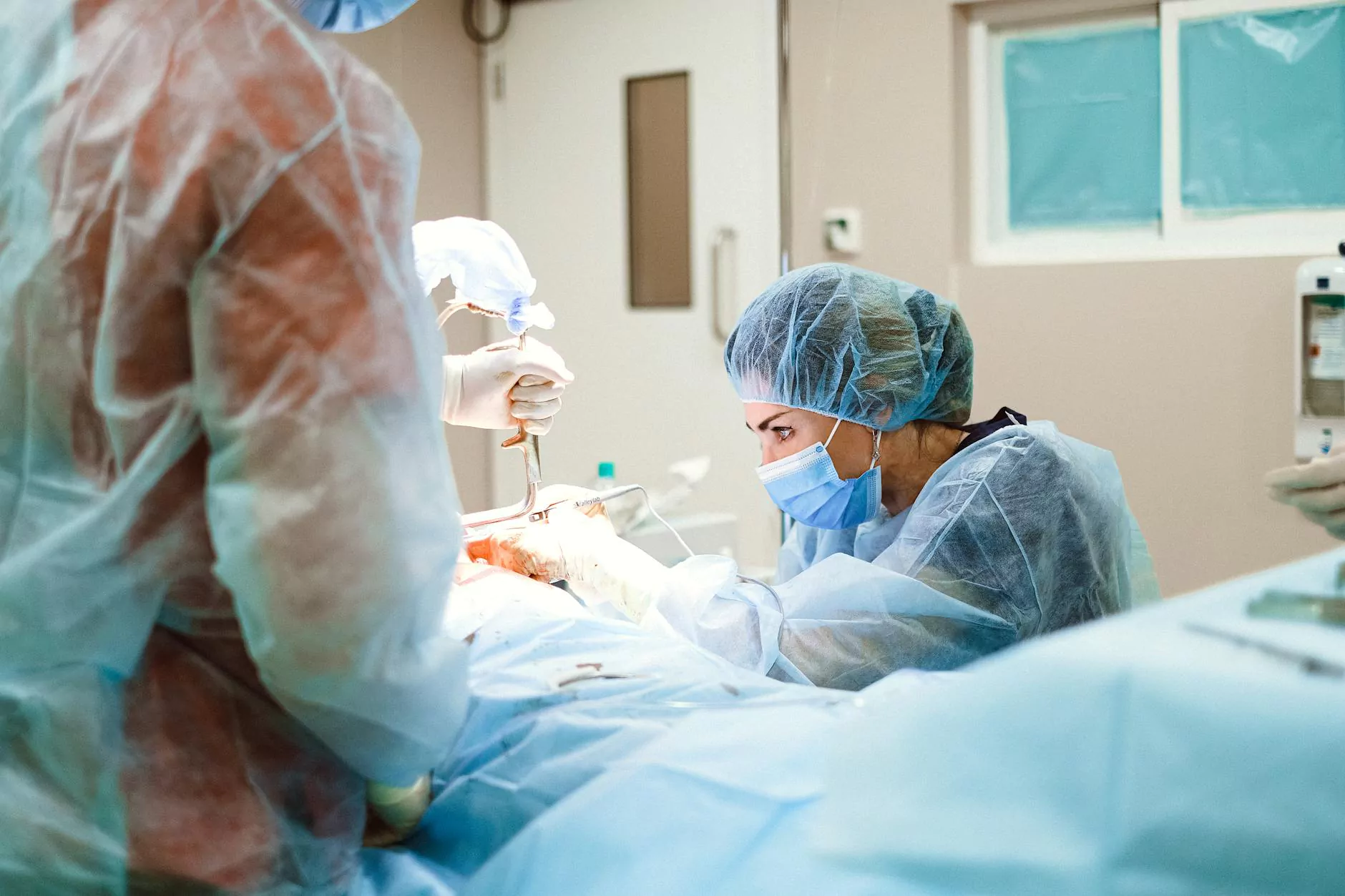
When it comes to surgical procedures, one of the most significant considerations for patients is the elbow replacement cost. This guide not only breaks down the financial aspects associated with elbow replacements but also provides insight into factors that influence costs, the procedure itself, and the recovery process.
What is Elbow Replacement Surgery?
Elbow replacement surgery, medically known as elbow arthroplasty, is a procedure designed to replace parts of the elbow joint. This is typically recommended for patients suffering from severe joint damage due to conditions such as:
- Rheumatoid arthritis
- Osteoarthritis
- Post-traumatic arthritis
- Fractures that cannot heal correctly
The aim of the surgery is to relieve pain, restore function, and improve the overall quality of life for the patient. Understanding the implications of the elbow replacement cost is essential for potential candidates seeking this life-changing procedure.
Factors Affecting Elbow Replacement Cost
The elbow replacement cost can vary significantly based on several factors, which include:
1. Type of Elbow Replacement
There are two primary types of elbow replacement surgeries:
- Total Elbow Replacement – Involves replacing both ends of the bones that form the elbow joint.
- Partial Elbow Replacement – Involves replacing only the damaged part of the elbow joint.
Typically, total elbow replacements pose a higher cost than partial replacements due to the complexity and materials involved.
2. Surgeon's Experience and Expertise
The qualifications and expertise of the surgeon performing the procedure can also impact the elbow replacement cost. Experienced orthopedic surgeons may charge higher fees, but their expertise can lead to better outcomes.
3. Geographic Location
The geographical location of the procedure plays a crucial role in determining costs. Urban centers and regions with higher living costs may see increased prices for surgical procedures compared to rural areas.
4. Facility Fees
The type of medical facility (hospital, outpatient clinic, or surgical center) where the procedure is performed will also influence the total cost. Surgical centers tend to offer more competitive rates than hospitals.
5. Insurance Coverage
The amount of your insurance coverage significantly impacts your out-of-pocket expenses. It’s essential to work closely with your insurance provider to understand the specifics of your coverage regarding elbow replacements.
Breakdown of Elbow Replacement Costs
The elbow replacement cost can be broadly segmented into various components:
- Pre-operative Costs: This includes consultations, imaging tests (X-rays, MRIs), and any necessary medical evaluations.
- Surgery Costs: This encompasses the surgeon's fees, anesthesia costs, and facility fees for the operation itself.
- Post-operative Costs: Following surgery, costs may include medications, physical therapy, follow-up appointments, and potentially rehabilitation services.
On average, the total cost of elbow replacement surgery can range from $20,000 to $50,000, depending on the factors outlined above. However, it is important to obtain a tailored estimate from your healthcare provider to fully grasp your financial responsibility.
Preparing for Elbow Replacement Surgery
Preparation for elbow replacement surgery involves thorough discussions with your healthcare team. Here are key points to consider:
- Medical Evaluation: Complete any necessary pre-operative evaluations to ensure you are fit for surgery.
- Medication Adjustments: Discuss any medications you are currently taking with your doctor, as some may need to be adjusted before the surgery.
- Physical Therapy: Engaging in physical therapy prior to surgery can enhance recovery outcomes.
- Home Preparation: Prepare your home for a smooth recovery experience, including arranging for help with daily tasks.
The Surgical Procedure
On the day of the surgery, the procedure typically unfolds as follows:
- Anesthesia Administration: You will receive anesthesia, either general or regional, to keep you comfortable during the procedure.
- Making the Incision: The surgeon makes an incision to access the elbow joint.
- Joint Replacement: The damaged joint surfaces are removed and replaced with a prosthetic joint.
- Closing the Incision: Finally, the incision is closed with stitches or staples.
The surgery generally lasts between one to two hours, but this can vary based on individual circumstances.
Recovery After Elbow Replacement
Following the surgery, patients can expect a recovery period that includes:
- Immediate Post-operative Care: Monitoring in the recovery room, pain management, and education on post-surgery care.
- Physical Therapy: Rehabilitation exercises will be prescribed to restore range of motion and strengthen the elbow joint.
- Follow-up Appointments: Regular check-ups will be necessary to assess healing and address any concerns.
The recovery timeline can vary, but most patients can resume daily activities within three to six months, with complete healing taking up to a year.
Long-term Considerations
While the elbow replacement cost and the surgery itself are important, long-term outcomes should also be considered. Here are some aspects to keep in mind:
- Quality of Life Improvement: Most patients report substantial improvements in pain relief and functionality post-surgery.
- Prosthetic Longevity: While modern prosthetics can last many years, patients should discuss the lifespan of their specific type with their surgeon.
- Activity Modifications: After surgery, some patients may need to adjust high-impact activities to maintain their joint health.
Financial Assistance and Planning
Affording the elbow replacement cost can be challenging. Here are some options to help manage the financial aspects:
- Insurance: Verify your coverage details with your insurer and understand what is included in your plan.
- Payment Plans: Many facilities offer payment options to help patients manage their expenses.
- Health Savings Accounts (HSAs): Utilizing an HSA can help offset the costs of the procedure, provided you have funds set aside.
Conclusion
Elbow replacement surgery can be a transformative option for those suffering from joint pain and limited mobility. By understanding the multiple factors that influence elbow replacement cost, you can make an informed decision about your treatment options. Comprehensive planning and preparation can further enhance your experience and ensure better outcomes.
For further assistance in understanding the costs and procedures involved in elbow replacement, consult with healthcare professionals and your insurance provider. Empowering yourself with knowledge allows for better health outcomes and greater peace of mind.
Contact Us
If you have more questions about elbow replacement costs or want to schedule a consultation, visit elclinics.com for more information. Our dedicated team is here to assist you on your journey to improved health.