Mastering the Skies: Comprehensive Training for Cabin Crew (Formation PNC)
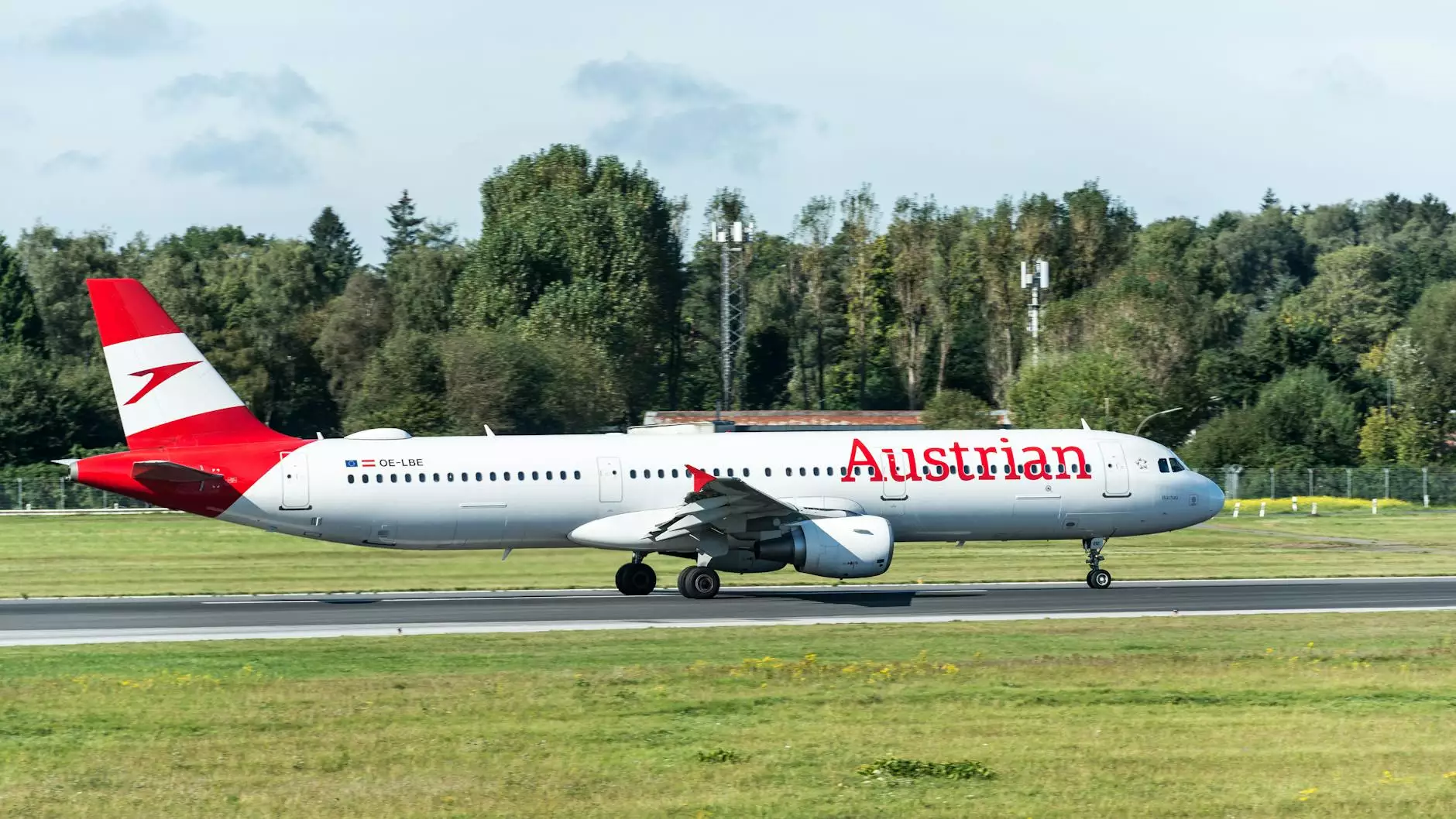
In the vibrant world of aviation, the role of cabin crew, or personnel navigant commercial (PNC), is not merely about serving passengers; it encompasses a wide range of responsibilities that ensure the safety, comfort, and satisfaction of everyone on board. As the aviation industry continues to grow, the demand for well-trained cabin crew members is at an all-time high. This article delves deeply into the significance of formation PNC and how effective training programs can lead to excellence in customer service.
The Importance of Cabin Crew Training
Training for cabin crew is critical for several reasons, including:
- Safety Protocols: Cabin crew members are the first responders in emergencies. Proper training ensures they can act decisively and effectively during critical situations.
- Customer Service: A well-trained cabin crew enhances the travel experience, leading to increased customer satisfaction and loyalty.
- Cultural Sensitivity: Given the diverse nature of airline passengers, cultural training helps crew members interact respectfully with individuals from different backgrounds.
Core Components of Formation PNC
Embarking on a career as a cabin crew member entails comprehensive training that covers various essential components:
1. Safety and Emergency Procedures
At the heart of formation PNC lies the in-depth understanding of safety protocols and emergency procedures. Trainees learn about:
- Evacuation procedures
- First aid and medical emergencies
- Handling in-flight disturbances and unruly passengers
2. Service Excellence
Providing exceptional service is crucial for any cabin crew. Training includes:
- Effective communication skills
- Understanding client needs and expectations
- Managing in-flight catering and service logistics
3. Cultural and Social Awareness
As global travel brings together people from different cultures, it is vital for crew members to be culturally aware. Training covers:
- Customs and traditions of various cultures
- Language training for common international phrases
- Conflict resolution in a multicultural environment
Modes of Training for Cabin Crew
The journey of a cabin crew trainee is facilitated through various training methods including:
1. Theoretical Learning
Understanding theory is fundamental. Trainees engage with materials that cover:
- Aviation regulations
- Flight operations
- Basic aviation terms and concepts
2. Practical Simulations
Real-life scenarios help bridge the gap between theory and practice. Flight simulators and mock-up aircraft cabins are used to:
- Practice emergency evacuations
- Simulate passenger service situations
- Build teamwork in high-pressure environments
3. On-the-Job Training
Once the majority of learning is completed, on-the-job training (OJT) takes place, where trainees:
- Shadow experienced crew members
- Engage with passengers under supervision
- Receive feedback on their performance
Benefits of Comprehensive Formation PNC
Investing in quality training for cabin crew delivers numerous benefits for airlines and passengers alike. These include:
1. Enhanced Passenger Safety
The primary role of cabin crew is to ensure safety. A well-trained team can better manage emergencies, significantly reducing risk during flights.
2. Improved Customer Satisfaction
When crew members are trained to provide top-notch service, passenger satisfaction levels soar, resulting in:
- Positive reviews and word-of-mouth referrals
- Increased customer loyalty and repeat flights
3. Greater Efficiency During Operations
Trained staff work effectively as a cohesive unit, improving operational efficiency, leading to:
- Faster service delivery
- Smoother turnaround times at airports
Conclusion: The Transformative Power of Formation PNC
In conclusion, the comprehensive training of cabin crew, encapsulated in the concept of formation PNC, is indispensable in today's aviation landscape. With safety as a priority, coupled with exemplary customer service, trained PNC members can effectively navigate the challenges of modern air travel, enhancing the experience for all passengers. As the industry continues to evolve, emphasizing continuous training and development ensures that cabin crew members remain at the forefront of excellence in the aviation sector.
Future of Cabin Crew Training
As the aviation industry transforms with technological advancements and changing passenger expectations, formation PNC must also adapt. Future training programs may increasingly incorporate:
- Virtual reality (VR) for immersive training experiences
- Artificial intelligence (AI) for feedback and performance evaluation
- Enhanced focus on mental health and resilience training
By embracing innovation and focusing on quality, the future of cabin crew training promises to create a new generation of aviation professionals who not only meet the expectations of passengers but also exceed them.
To learn more about joining the ranks of exceptional cabin crew or to explore effective training programs, visit cabincrew-academy.com today.