The Myoma Operation Procedure: A Comprehensive Guide
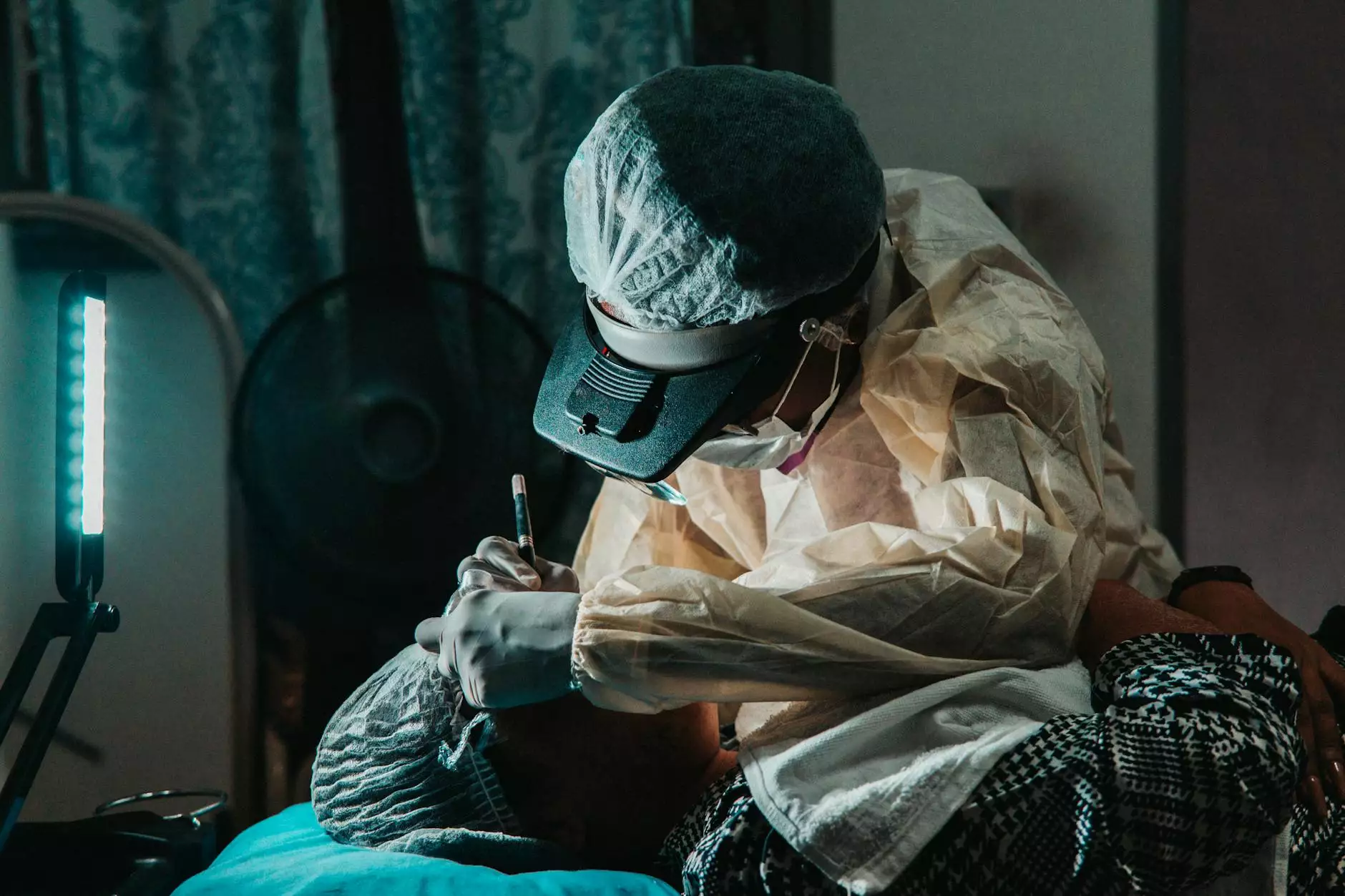
When it comes to women's health, one of the significant concerns is the presence of myomas, commonly known as uterine fibroids. These benign tumors can lead to various symptoms, affecting quality of life. For many women, the myoma operation procedure becomes essential in alleviating symptoms and improving overall health. In this detailed article, we will explore everything you need to know about this procedure, empowering you with knowledge from what the operation entails to recovery and beyond.
What are Myomas?
Myomas, or uterine fibroids, are non-cancerous growths that develop in or on the uterus. They are made up of muscle and fibrous tissue, and can vary greatly in size, shape, and location. Here are a few critical points about myomas:
- They can be as small as a pea or as large as a grapefruit.
- Myomas can be found inside the uterine cavity (submucosal), on the outer surface of the uterus (subserosal), or within the muscular wall itself (intramural).
- While many women may experience few or no symptoms, others may suffer from heavy menstrual bleeding, pelvic pain, or pressure symptoms.
Indications for the Myoma Operation Procedure
Given the potential impact on a woman's health, the decision to undergo a myoma operation procedure often stems from several indications:
- Severe menstrual bleeding that does not improve with other treatments.
- Chronic pelvic pain or discomfort attributed to fibroids.
- Pressure symptoms on the bladder or bowel, leading to frequent urination or difficulty with bowel movements.
- Infertility issues or complications during pregnancy.
Preparing for the Myoma Operation Procedure
Prior to undergoing the myoma operation procedure, several preparatory steps are essential for optimal outcomes:
- Consultation with a Healthcare Provider: Schedule an appointment with a qualified obstetrician or gynecologist, such as those at drseckin.com, to discuss your symptoms and treatment options.
- Diagnostic Tests: Your doctor may conduct imaging tests (like an ultrasound or MRI) to evaluate the size and location of the myomas.
- Preoperative Instructions: Follow guidelines regarding medications, dietary restrictions, and any necessary medical evaluations.
The Myoma Operation Procedure: Step by Step
The myoma operation procedure can be performed using different surgical techniques, depending on the size and location of the myomas, as well as the patient's health status. Below, we outline the common methods:
1. Hysterectomy
A hysterectomy involves the surgical removal of the uterus and is typically recommended for women with severe symptoms or when other treatments have failed. This procedure can be:
- Abdominal Hysterectomy: Removal of the uterus through an incision in the abdominal wall.
- Vaginal Hysterectomy: Removal of the uterus through the vaginal canal.
- Laparoscopic Hysterectomy: A minimally invasive procedure using small incisions and a camera, allowing for a quicker recovery.
2. Myomectomy
A myomectomy is the surgical removal of the fibroids while preserving the uterus, making it a preferred choice for women desiring to maintain their fertility. Techniques include:
- Abdominal Myomectomy: Removal of fibroids through a larger incision in the abdomen.
- Laparoscopic Myomectomy: A minimally invasive option that reduces recovery time and scarring.
- Hysteroscopic Myomectomy: Removal of fibroids from inside the uterus through the cervix using a hysteroscope.
Benefits of the Myoma Operation Procedure
Undergoing the myoma operation procedure can bring about significant health benefits, enhancing the quality of life for women suffering from symptoms related to myomas:
- Symptom Relief: Many women experience dramatic improvements in symptoms, such as reduced pain or bleeding.
- Fertility Restoration: For women hoping to conceive, procedures like myomectomy can improve reproductive outcomes.
- Improved Quality of Life: The alleviation of symptoms generally leads to better overall wellbeing and daily functioning.
Risks and Considerations of the Myoma Operation Procedure
As with any surgical procedure, the myoma operation procedure comes with potential risks. It's crucial to discuss these with your healthcare provider:
- Infection: As with any surgery, there is a risk of infection.
- Bleeding: Excessive bleeding may occur, requiring blood transfusion or additional surgery.
- Damage to Surrounding Organs: There is a possibility of injury to nearby structures, such as the bladder or intestines.
- Recurrence of Myomas: Despite removal, new myomas can develop.
Recovery After the Myoma Operation Procedure
Recovery time varies based on the type of procedure performed and individual health factors. Here is what to expect:
- Hospital Stay: Some procedures may require a longer hospital stay, while others allow for outpatient surgery.
- Pain Management: Doctors will provide a plan to manage postoperative pain effectively.
- Activity Restrictions: It's important to gradually return to normal activities, following the doctor's recommendations.
- Follow-Up Care: Schedule follow-up appointments to monitor recovery and address any concerns.
The Importance of Choosing the Right Specialist
Choosing the right healthcare provider is essential for a successful myoma operation procedure. Look for specialists with experience and a reputation for excellence, such as those available at drseckin.com. Your comfort, safety, and trust in your doctor can significantly impact the overall experience and outcome of your surgery.
Conclusion
The myoma operation procedure can be a life-changing intervention for women affected by uterine fibroids. With a clear understanding of the procedure, potential outcomes, and recovery plans, patients can make informed decisions that align with their health goals. Always consult carefully with your healthcare provider to tailor a plan that meets your individual needs.
For more information about myoma treatment options and to consult with experienced professionals, visit drseckin.com. Your journey to better health starts with informed choices!