CT Scan for Lung Cancer: A Vital Tool in Early Detection
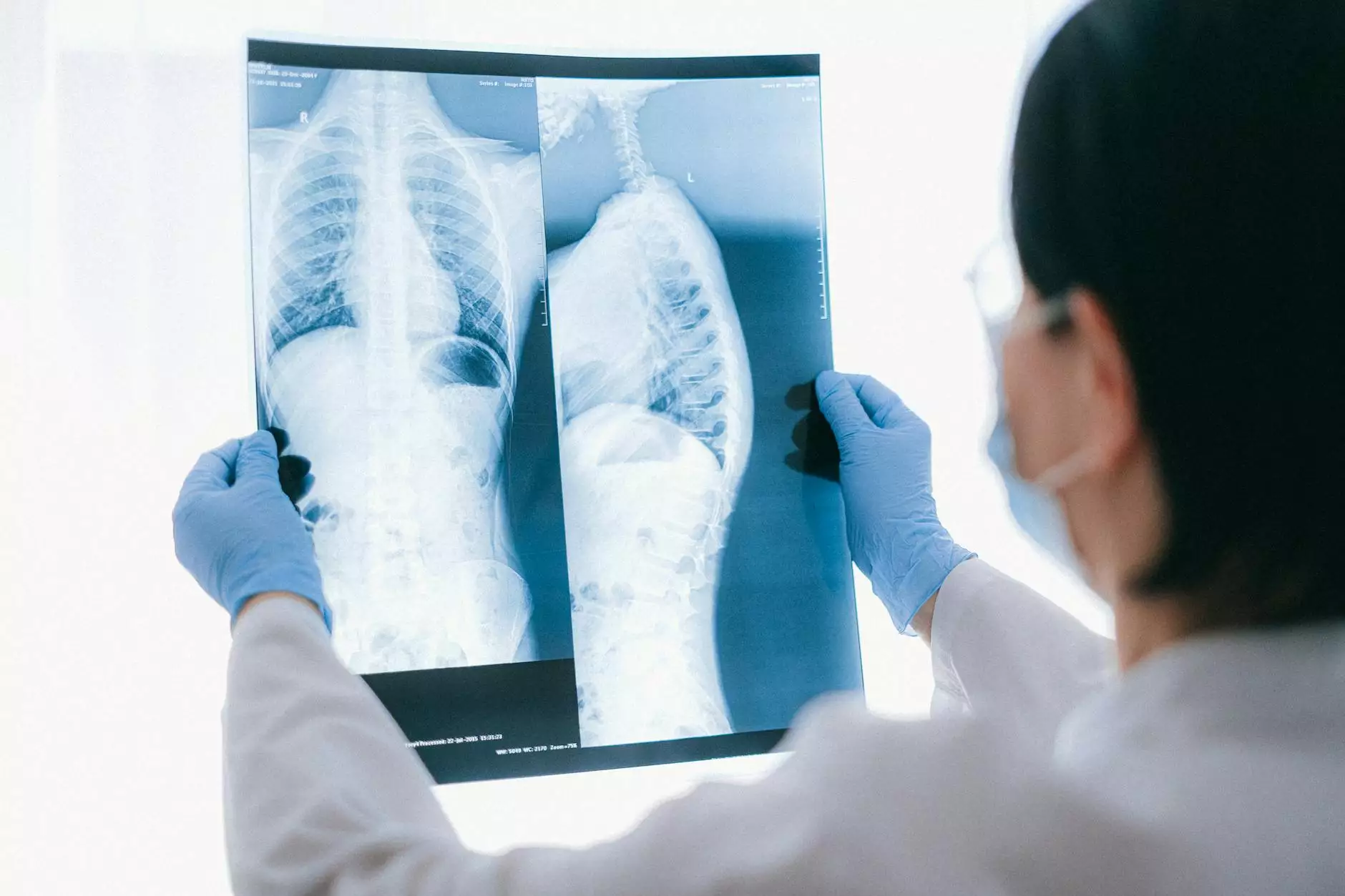
Lung cancer remains a major health challenge worldwide, presenting a significant risk to public health. With advancements in medical technology, the landscape of diagnosing and treating this form of cancer has evolved significantly. One of the most crucial tools in this transformation is the CT scan for lung cancer, offering both patients and healthcare providers a clearer view of lung health and disease progression.
Understanding Lung Cancer
Lung cancer occurs when abnormal cells in the lungs grow uncontrollably. Early detection is critical for improving treatment outcomes, as symptoms often do not appear until the disease has progressed. There are two primary types of lung cancer:
- Non-Small Cell Lung Cancer (NSCLC): Accounts for the majority of lung cancer cases.
- Small Cell Lung Cancer (SCLC): Characterized by rapid growth and a tendency to spread quickly.
The Role of CT Scans in Lung Cancer Detection
Computed Tomography (CT) scans are advanced imaging techniques used to create detailed cross-sectional images of the body. The role of a CT scan for lung cancer is multifaceted:
1. Early Detection
CT scans are instrumental in the early detection of lung cancer, especially in high-risk patients, such as smokers or those with a family history of lung cancer. Studies have shown that low-dose CT scans can reduce lung cancer mortality by detecting tumors at an earlier, more treatable stage.
2. Accurate Diagnosis
Once a suspicious mass is identified, a CT scan can help distinguish between benign and malignant tumors. This distinction is critical in determining the appropriate treatment strategy.
3. Treatment Planning
CT scans assist physicians in planning surgical interventions or chemotherapy. By providing detailed information about the size, shape, and location of tumors, healthcare providers can tailor treatment plans to the unique needs of each patient.
4. Monitoring Progress
For patients undergoing treatment for lung cancer, follow-up CT scans are vital to monitor the effectiveness of the treatment and detect any recurrence of cancer at the earliest opportunity.
How CT Scans Work
A CT scan involves a series of X-ray images taken from various angles. These images are processed by a computer to create detailed cross-sectional images of the lungs and surrounding structures. The procedure is typically quick and painless. Here’s what to expect during a CT scan:
- The patient lies on a table that slides into the CT scanner.
- The technician may ask the patient to hold their breath for short periods while images are captured.
- The entire process usually takes about 10 to 30 minutes.
Types of CT Scans Used for Lung Cancer
There are several types of CT scans that may be utilized in the evaluation of lung cancer:
1. Low-Dose CT (LDCT)
This is primarily used for lung cancer screening in high-risk populations. It uses lower doses of radiation and has been shown to be effective in reducing lung cancer mortality.
2. Contrast-Enhanced CT
A contrast agent may be injected to enhance the images of blood vessels and tissues, providing more detailed information about tumors and their attributes.
3. Thoracic CT
This scan focuses specifically on the thoracic cavity and can provide detailed images of the lungs, heart, and chest wall.
Benefits of CT Scans in Lung Cancer Detection
Using CT scans for lung cancer detection offers several benefits:
- Non-Invasive: As a non-invasive procedure, CT scans require no surgical intervention and typically have minimal risk for patients.
- Rapid Results: CT scans can provide quick results, enabling timely medical decisions.
- Comprehensive Information: The detailed images allow for better understanding of lung anatomy and potential pathological changes.
Challenges and Limitations of CT Scans
While CT scans are a powerful tool, there are certain challenges and limitations to consider:
- Radiation Exposure: Although advances in technology have reduced radiation exposure, CT scans still involve a higher dose than conventional X-rays.
- False Positives: CT scans may sometimes identify a suspicious mass that turns out to be benign, leading to unnecessary anxiety and additional testing.
- Cost: In some regions, the cost of CT scans may be prohibitively high, limiting accessibility for some patients.
The Importance of Follow-Up and Comprehensive Care
After a CT scan for lung cancer, it’s important for patients to work closely with their healthcare team. Follow-up appointments should be scheduled to discuss the results and any necessary next steps, which may include:
- Further Imaging: Additional imaging studies may be needed for a more detailed evaluation.
- Biopsy: A biopsy may be warranted to obtain tissue samples for definitive diagnosis.
- Treatment Planning: Discussing various treatment options based on the findings from the CT scan.
Combining CT Scans with Other Diagnostic Tools
CT scans are often combined with other diagnostic tools to provide a comprehensive evaluation of lung health. These may include:
- X-rays: Traditional chest X-rays can provide preliminary information about lung health.
- MRI Scans: These may be used to assess more complex cases, particularly if there’s suspicion of metastasis.
- Positron Emission Tomography (PET) Scans: Often used in conjunction with CT scans to evaluate cancer spread and metabolic activity.
Conclusion: The Future of Lung Cancer Detection
The use of CT scan for lung cancer detection has paved the way for substantial improvements in the early diagnosis and treatment of lung cancer. As technology advances, innovations in imaging techniques, such as AI-assisted radiology and improved low-dose scans, promise to enhance accuracy and reduce risks even further.
Patients are encouraged to engage in proactive health monitoring through regular screenings, especially those at high risk for lung cancer. As healthcare continues to evolve, maintaining open communication with healthcare providers about any concerns can lead to timely interventions and better outcomes.
Final Thoughts
The integration of CT scans into lung cancer screening programs represents a significant leap forward in early cancer detection. By prioritizing early diagnosis and adopting a comprehensive approach to lung health, we can strive towards reducing lung cancer incidence and mortality rates together.
For more information on lung cancer diagnosis and treatment, or to schedule a CT scan for lung cancer, visit Hello Physio.