The Ultimate Guide to MRI Service: Transforming Healthcare and Diagnostic Excellence
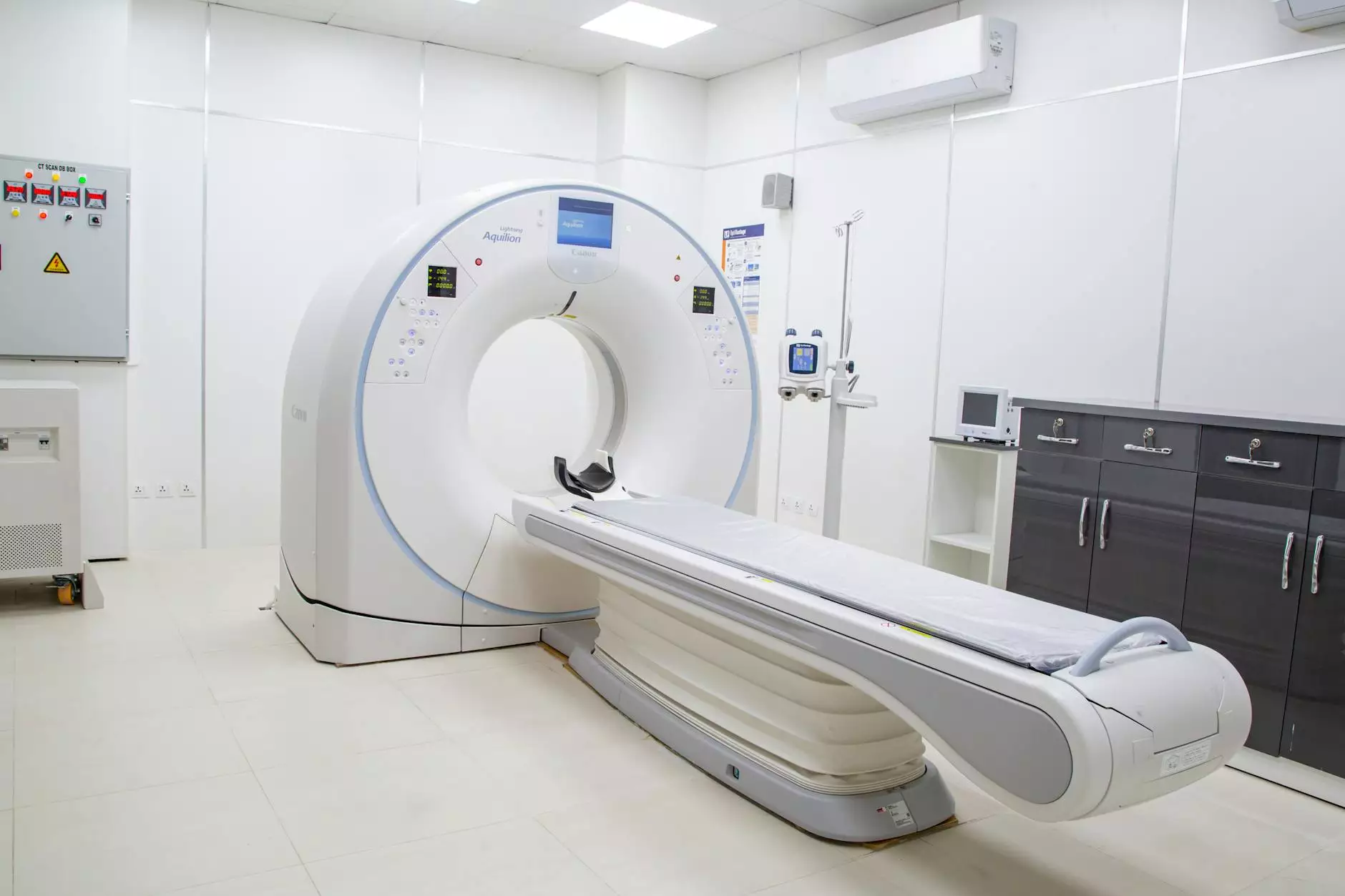
In the rapidly evolving landscape of healthcare, diagnostic imaging has become a cornerstone in delivering accurate, timely, and effective patient care. Among these advanced diagnostic tools, MRI (Magnetic Resonance Imaging) service stands out as a non-invasive, highly detailed imaging technique that provides invaluable insights into the human body's internal structures. As medical technology progresses, the role of superior MRI services within medical centers and overall healthcare infrastructure becomes increasingly pivotal.
Understanding the Significance of MRI Service in Modern Healthcare
MRI service is a sophisticated diagnostic modality that captures detailed images of soft tissues, organs, and the nervous system using powerful magnetic fields and radio waves. Unlike X-rays or CT scans, MRI does not expose patients to ionizing radiation, making it safer for repeated use. This characteristic has made MRI an indispensable component of health & medical diagnostics across diverse medical disciplines.
Why MRI Service is Essential for Accurate Diagnosis
- Exceptional Soft Tissue Contrast: MRI's ability to differentiate between various soft tissues allows clinicians to detect abnormalities that other imaging techniques might miss.
- Early Detection of Diseases: MRI can identify pathological changes in tissues before they become apparent through symptoms or less sensitive imaging methods.
- Comprehensive Assessment: It enables clinicians to evaluate neurological conditions, musculoskeletal disorders, and internal organ health in detail.
- Guidance for Interventions: MRI assists in planning surgical procedures and targeted therapies, ensuring precision and better outcomes.
Integrating MRI Service in Medical Centers: A Strategic Advantage
Modern medical centers recognize that providing MRI services translates directly into improved patient satisfaction, competitive differentiation, and expanded service offerings. Establishing reliable MRI facilities is not merely about equipment acquisition but involves integrating state-of-the-art technology with skilled personnel to maximize diagnostic accuracy.
Benefits of Providing MRI Service within Medical Centers
- Enhanced Patient Trust: Patients prefer healthcare providers who offer comprehensive diagnostic options on-site, reducing the need for referrals and external visits.
- Faster Diagnosis and Treatment: In-house MRI services accelerate the diagnostic process, facilitating quick treatment decisions.
- Cost Efficiency: Improved operational efficiencies and reduced patient turnaround times lead to cost savings and increased revenue streams.
- Expanded Service Portfolio: Offering advanced imaging attracts more patients and referring physicians, bolstering the center's reputation.
Advances in MRI Technology: Ensuring Superior Diagnostic Outcomes
Technological innovations continue to shape the landscape of MRI service, making imaging faster, clearer, and more patient-friendly. From higher-field magnets to multi-parametric imaging, these developments empower medical professionals to deliver outstanding care.
Key Innovations in MRI Imaging
- High-Field MRI Machines: 3T (Tesla) scanners provide higher resolution images, crucial for detecting subtle pathological changes.
- Open MRI Systems: Designed for claustrophobic or obese patients, these systems improve comfort without compromising image quality.
- Functional MRI (fMRI): Enables assessment of brain activity, widely used in neurological and psychiatric evaluations.
- Cardiac MRI: Offers detailed visualization of the heart's structure and function, vital for diagnosing cardiovascular diseases.
Ensuring Quality in MRI Service: Best Practices and Standards
To provide the highest quality MRI service, medical centers must adhere to stringent standards that encompass equipment maintenance, personnel training, and patient safety protocols. Implementing these best practices guarantees reliable results and patient trust.
Critical Components of Quality MRI Service
- Regular Equipment Calibration and Maintenance: Ensures consistent image quality and minimizes downtime.
- Skilled Radiologists and Technicians: Specialized training enables accurate image acquisition and interpretation.
- Patient Safety Measures: Usage of appropriate shielding, contrast agents, and monitoring protocols to safeguard patients.
- Comprehensive Quality Assurance Programs: Continuous review of imaging procedures and outcomes for process improvements.
Patient-Centered Approach in MRI Service Provision
Delivering MRI service with a focus on patient comfort and safety is paramount. From reducing scan times to enhancing the overall experience, a patient-centered model fosters trust and improves compliance.
Strategies to Enhance Patient Experience
- Clear Communication: Explaining the procedure thoroughly reduces anxiety and enhances cooperation.
- Comfortable Environment: Providing soothing surroundings, noise reduction features, and sedation options when necessary.
- Efficient Scheduling: Minimizing wait times and optimizing appointment flows.
- Post-Scan Support: Offering prompt results and guidance for follow-up care.
The Role of Digital Integration and Data Management in MRI Services
Modern MRI service workflows benefit immensely from digital health solutions that facilitate seamless data management, reporting, and integration with electronic health records (EHR). This interconnected approach improves diagnostic accuracy, enhances collaboration among healthcare teams, and supports research endeavors.
Key Digital Tools for MRI Service Optimization
- Picture Archiving and Communication Systems (PACS): Efficient storage and retrieval of imaging data.
- Radiology Information Systems (RIS): Streamline scheduling, reporting, and workflow management.
- Artificial Intelligence (AI) Integration: Enhances image analysis, detects subtle abnormalities, and reduces interpretation time.
- Secure Cloud Storage: Facilitates remote access and collaboration while maintaining patient privacy.
Economic Impact of MRI Service in Healthcare Ecosystem
Investing in high-quality MRI service pays off not only in improved patient outcomes but also in significant economic benefits for medical centers and healthcare providers. These benefits include increased revenue, broader service range, and higher patient retention rates.
Financial Advantages of Incorporating MRI Service
- High Reimbursement Rates: MRI procedures typically offer favorable reimbursement from insurers.
- Attracting Referrals: Offering top-tier imaging attracts referring physicians, expanding patient volumes.
- Operational Efficiency: Modern MRI equipment reduces scan times and increases throughput.
- Market Differentiation: Positions the healthcare provider as a leader in advanced diagnostic services.
Future Perspectives and Trends in MRI Service
The future of MRI service is driven by continuous innovation, with exciting developments expected to further revolutionize medical diagnostics.
Emerging Trends Shaping MRI Service Evolution
- Artificial Intelligence and Machine Learning: Automating image analysis and aiding in early diagnosis.
- Miniaturized and Portable MRI Devices: Increasing accessibility and extending imaging capabilities to remote regions.
- Hybrid Imaging Techniques: Combining MRI with other modalities like PET or ultrasound for comprehensive diagnostics.
- Enhanced Patient Experience: Focused on comfort, faster scans, and reduced claustrophobia.
Conclusion: Embracing the Power of MRI Service for a Healthier Future
In conclusion, MRI service remains a vital element of modern medicine, enabling precise diagnosis, guiding effective treatment plans, and supporting ongoing medical research. For medical centers and healthcare providers, investing in cutting-edge MRI technology, skilled staff, and patient-centric practices ensures they remain at the forefront of healthcare innovation. As technology advances and integration deepens, MRI's role will only grow, contributing significantly to improving patient outcomes worldwide.
By prioritizing quality, safety, and technological advancement in MRI service, healthcare providers can build trust, enhance their reputation, and deliver unparalleled care, ultimately shaping the future of healthcare into a more effective, efficient, and compassionate domain.