Ultimate Guide to Dental Crowns and the Vital Role of Dental Hygienists in Modern Dentistry
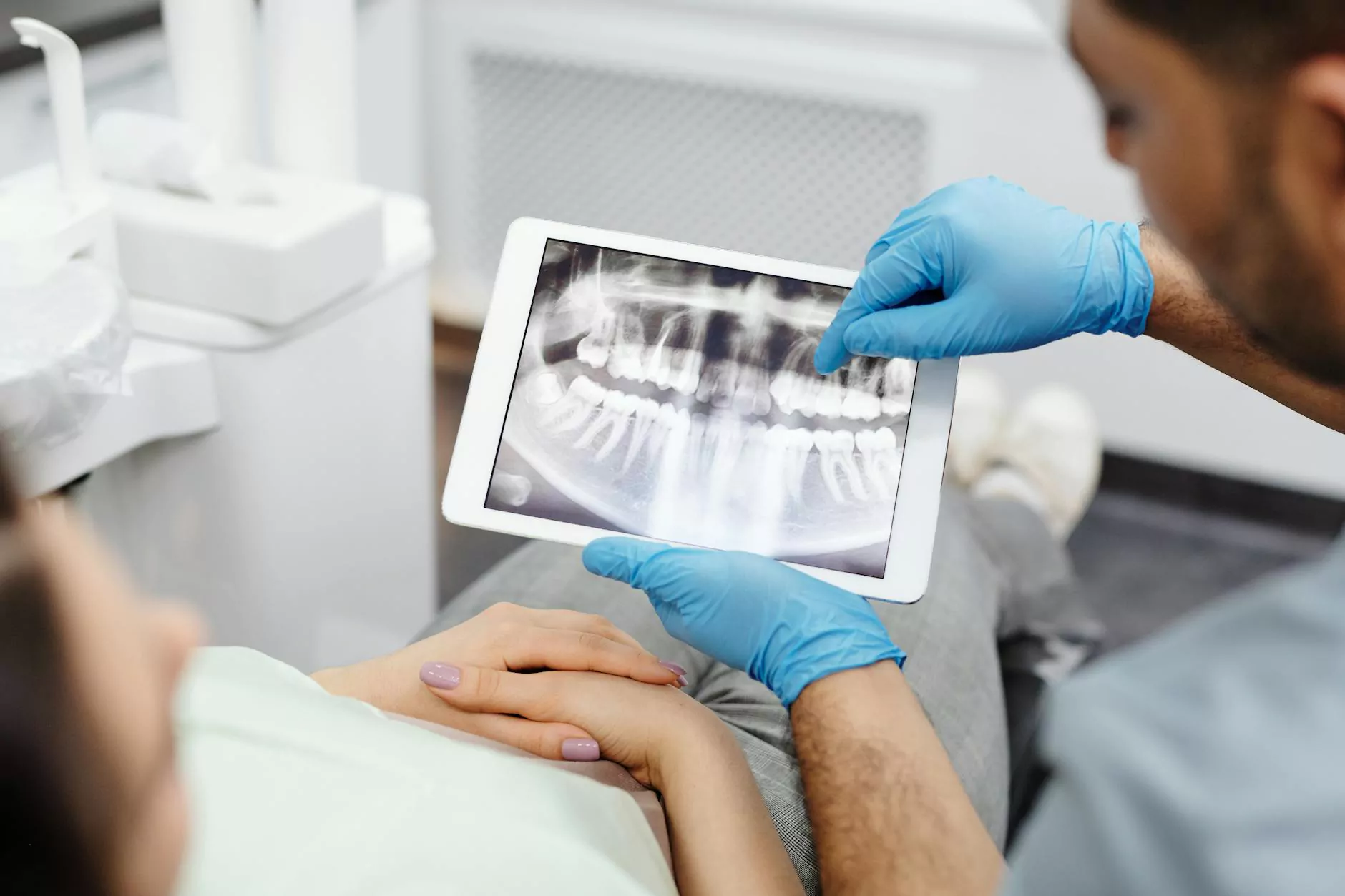
Understanding the intricacies of dental restoration options and oral health maintenance is crucial for achieving a radiant, healthy smile. This comprehensive guide delves into the significance of dental crowns as a restorative solution, the pivotal role that dental hygienists play within the dental practice, and how these elements work synergistically to promote optimal oral wellness at Kensington Dental Studio.
What Are Dental Crowns and Why Are They Essential in Modern Dentistry?
Dental crowns are custom-designed caps that cover damaged, decayed, or aesthetically compromised teeth. Crafted from durable materials such as porcelain, metal, or a combination of both, they restore the tooth’s shape, size, and function. Equipped with superior strength and aesthetic appeal, dental crowns serve as both a protective shield and a cosmetic enhancement.
Types of Dental Crowns: Choosing the Right Material
- Porcelain Crowns: Known for their natural appearance, porcelain crowns are ideal for front teeth where aesthetics are paramount.
- Ceramic Crowns: Similar to porcelain but offering enhanced durability, suitable for both front and back teeth.
- Metal Crowns: Made from gold or other metal alloys, these crowns are extremely durable and ideal for molars subjected to high bite forces.
- Porcelain-Fused-to-Metal (PFM) Crowns: Combining the strength of metal with the aesthetic qualities of porcelain, PFM crowns are versatile options for many patients.
The Procedure: How Dental Crowns Are Placed
The process of getting a dental crown typically involves multiple visits:
- Initial Consultation and Examination: The dentist assesses the damaged tooth, conducts X-rays, and discusses the suitable crown type.
- Tooth Preparation: The tooth is carefully shaped to accommodate the crown. Any decay is removed, and the surface is shaped.
- Impression Taking: Precise molds of the tooth are made to craft a custom crown. Digital scanning ensures highly accurate fittings.
- Temporary Crown Placement: A temporary cover protects the prepared tooth while the custom crown is fabricated in a dental lab.
- Final Crown Fitting and Cementation: Once ready, the final crown is cemented onto the tooth, ensuring perfect fit and bite alignment.
The Benefits of Dental Crowns: Why They Are a Game-Changer
Dental crowns offer numerous advantages beyond mere aesthetics. They are instrumental in restoring functionality, preventing further damage, and boosting confidence.
- Restoration of Functionality: Enables normal biting and chewing, restoring daily life activities.
- Protection Against Further Damage: Shields weakened teeth from decay, fractures, and other injuries.
- Enhanced Aesthetic Appeal: Improves the overall appearance of your smile, especially with porcelain options.
- Longevity and Durability: When properly maintained, dental crowns can last 10-15 years or more.
- Addresses Cosmetic Concerns: Covers discolored, misshapen, or chipped teeth, transforming your smile.
Integrating Dental Hygienists into Dental Restoration and Oral Care
At Kensington Dental Studio, the expertise of dental hygienists enhances every aspect of patient care. Their role extends beyond cleaning to encompass education, preventive strategies, and supporting restorative treatments like dental crowns.
What Do Dental Hygienists Do?
- Professional Dental Cleanings: Removing plaque and tartar, which are critical in preventing decay and gum disease that could compromise restorations.
- Oral Health Education: Advising patients on proper brushing, flossing, and nutrition to maintain the longevity of dental crowns and overall oral health.
- Early Detection: Monitoring for signs of decay or gum issues that could jeopardize dental work, enabling timely intervention.
- Supporting Restorative Procedures: Assisting during procedures and providing pre- and post-treatment care instructions.
- Customized Oral Hygiene Plans: Developing tailored strategies for patients with dental restorations to ensure the longevity of their dental work.
Why Is the Role of Dental Hygienists Crucial?
Dental hygienists are integral to a proactive approach to oral health. By maintaining the health of gums and supporting structures, they prolong the lifespan of dental crowns and prevent complications like decay beneath the crowns or gum infections. Their skills and knowledge are vital for delivering comprehensive dental care that ensures every patient maintains a healthy, beautiful smile.
How to Maximize the Benefits of Dental Crowns and Oral Hygiene
Achieving long-lasting results with dental crowns necessitates a combination of professional care and diligent personal oral hygiene practices:
- Maintain Regular Dental Visits: Schedule routine checkups and professional cleanings as recommended by your dentist or hygienist.
- Practice Excellent At-Home Oral Care: Brushing at least twice daily with fluoride toothpaste, flossing daily, and using interdental brushes or water flossers.
- Be Mindful of Your Diet: Limit sugary and acidic foods that can accelerate decay and damage restorations.
- Avoid Hard Foods and Habits: Refrain from biting hard candies, ice, or opening packages with your teeth, which can crack or dislodge crowns.
- Immediate Attention for Dental Issues: Report any discomfort, loosening, or damage to your crowns to your dentist promptly.
The Future of Dental Crowns and Dental Hygiene
The ongoing advancements in dental material science and digital dentistry continue to revolutionize how dental crowns are designed and fabricated. Innovations such as CAD/CAM technology enable same-day crowns with perfect fit and high esthetic quality. Simultaneously, the role of dental hygienists is expanding with integrating new technologies like digital imaging, antimicrobial therapies, and personalized preventive care.
Looking ahead, the synergy between cutting-edge restorative options and comprehensive preventive strategies will ensure patients at Kensington Dental Studio enjoy healthier, more durable smiles with less invasive procedures and higher satisfaction levels.
Choosing the Right Dental Practice for Your Needs
When seeking a practice proficient in both restorative treatments and preventive care, consider factors such as:
- Expertise in restorative dentistry, including high-quality dental crowns
- Experienced and compassionate dental hygienists
- State-of-the-art technology and modern facility
- Commitment to patient education and personalized care plans
- Positive patient reviews and recommendations
Conclusion: Elevate Your Oral Health with Expert Care at Kensington Dental Studio
Achieving a healthy, attractive smile involves a harmonious blend of durable restorative solutions like dental crowns and diligent preventive care led by skilled dental hygienists. At Kensington Dental Studio, we prioritize personalized treatment plans, leveraging the latest technology and expert knowledge to deliver exceptional results. Whether restoring damaged teeth or maintaining your oral health, our team is dedicated to helping you achieve and sustain optimal oral wellness.
Do not underestimate the power of good oral hygiene and professional dental care—your smile’s health and appearance are worth the investment. Contact us today to learn more about our comprehensive services and how we can assist you in maintaining your beautiful, healthy smile for years to come.