Maximizing Agricultural Success through Expert Farm Equipment Repair and Mastering Moisture Content of Cereals
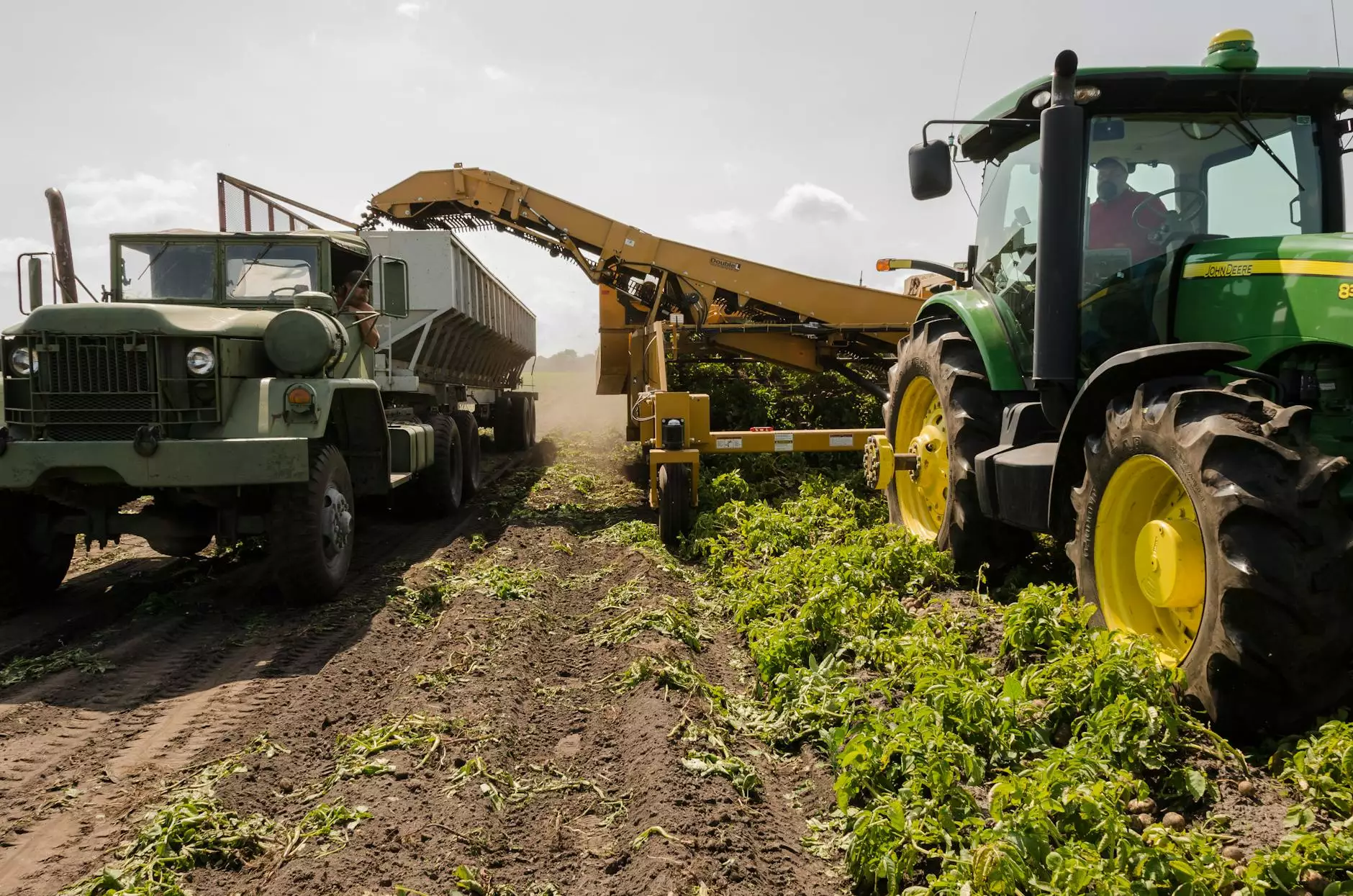
In the dynamic world of agriculture, sustainable success hinges on a combination of cutting-edge technology, diligent maintenance, and a deep understanding of crop management. For farmers and agribusiness operators aiming to elevate their productivity, leveraging professional farm equipment repair services while understanding vital parameters like the moisture content of cereals can make a significant difference. This comprehensive guide delves into how these elements intertwine to enhance your farming operations, reduce losses, and improve the quality of your harvests.
Importance of Professional Farm Equipment Repair in Modern Agriculture
Farm equipment, including tractors, harvesters, plows, and seeders, forms the backbone of efficient farming practices. Their proper maintenance and timely repair are essential for ensuring peak performance, reducing downtime, and prolonging equipment lifespan. Professional farm equipment repair services, such as those offered by TSGC Inc., are pivotal in maintaining optimal operational conditions.
Benefits of Expert Farm Equipment Repair
- Enhanced Efficiency: Properly maintained machinery operates smoothly, saving time and fuel.
- Minimized Downtime: Skilled technicians quickly identify and fix issues, reducing interruptions during critical planting or harvesting phases.
- Cost Savings: Regular repairs prevent catastrophic failures, saving substantial repair costs over time.
- Increased Longevity: Well-maintained equipment lasts longer, maximizing your return on investment.
- Safety Improvements: Servicing reduces operational hazards, protecting workers and improving safety standards.
Key Aspects of Farming Equipment
Understanding the intricacies of farming equipment ensures proper maintenance and highlights the importance of specialized repair services. Components such as engines, hydraulic systems, gearbox assemblies, and electronic controls require expert attention to operate flawlessly throughout the harvest season.
Major Categories of Farm Equipment
- Tractors: The versatile workhorses capable of powering numerous implements.
- Harvesters: Machines designed specifically for reaping, threshing, and cleaning cereals efficiently.
- Plows and Tillers: Essential for preparing the soil for planting.
- Seeders and Planters: Ensuring precise seed placement for optimal crop yields.
- Irrigation Equipment: Modern irrigation systems that maximize water efficiency.
Why Constant Maintenance and Repair Are Non-Negotiable
A proactive maintenance approach not only prevents unexpected breakdowns but also enhances the integrity and performance of your equipment. Regularly scheduled inspections, timely replacements of worn parts, and professional repairs help to maintain the high standards necessary for successful farming operations.
Understanding the Moisture Content of Cereals: A Critical Element in Post-Harvest Management
One of the most crucial factors affecting cereal quality, storage stability, and market value is the moisture content of cereals. Proper management of moisture levels ensures cereals are harvested, stored, and transported without spoilage, fungal growth, or quality degradation.
What Is Moisture Content of Cereals?
The moisture content of cereals refers to the percentage of water present in the grains relative to their total weight. It is typically expressed as a percentage and influences the safety, quality, and shelf life of stored cereals.
Why Is Controlling Moisture Content Critical?
- Prevents Mold and Fungal Growth: Excess moisture fosters mold development, leading to spoilage and potential mycotoxin production.
- Reduces Economic Losses: Proper moisture levels ensure cereals meet market standards and command better prices.
- Maintains Nutritional Quality: Moisture impacts the preservation of nutrients and overall grain integrity.
- Facilitates Safe Storage: Proper moisture content enables long-term storage without deterioration.
- Enhances Drying Efficiency: Appropriate moisture levels streamline the drying process, saving energy and time.
Optimal Moisture Levels for Cereals
Typically, cereals should be harvested when the moisture content is between 13% and 15%. This range balances ease of harvesting with effective storage stability. For example:
- Wheat: 13-14%
- Corn: 15-16%
- Barley: 12-14%
- Oats: 12-14%
Measuring and Managing Moisture Content
Reliable measurement tools such as digital moisture meters or on-site testing devices are vital for real-time analysis. After harvesting, cereals often undergo controlled drying processes—either natural or mechanical—to achieve optimal moisture levels.
Innovations in Post-Harvest Technologies
Advancements in technology have introduced sophisticated systems like moisture sensors integrated with storage facilities, automated drying systems, and cloud-based monitoring platforms. These innovations enable farmers to maintain ideal moisture conditions and prevent quality loss effectively.
How Expert Farm Equipment Repair Supports Efficient Grain Handling and Processing
Reliable equipment is essential for implementing proper moisture management practices. For instance, grain dryers, conveyors, and moisture meters must operate flawlessly to ensure cereals are dried to the right level without damaging the grains.
Ensuring Equipment Accuracy and Reliability
Professional repair services help maintain the calibration and precision of moisture measurement devices, ensuring accurate readings. Similarly, repairing and maintaining grain dryers optimize airflow, temperature control, and energy consumption.
Integrating Best Practices in Farming Equipment Maintenance & Moisture Content Management
To maximize productivity and product quality, farmers should adopt integrated strategies that combine:
- Routine equipment inspection and preventive maintenance by trained technicians.
- Adoption of modern moisture measurement tools for real-time monitoring.
- Implementation of efficient drying and storage solutions tailored to specific grains.
- Training staff on proper handling techniques to reduce inadvertent damages.
- Utilizing data analytics to predict maintenance needs and optimize moisture control protocols.
The Role of TSGC Inc. in Supporting Your Farming Success
As a leader in farm equipment repair, TSGC Inc. provides tailored solutions to meet the evolving needs of modern agriculture. Their team of skilled technicians specializes in maintaining, repairing, and upgrading a wide range of farming machinery, enabling you to focus on crop production with confidence.
Furthermore, the company offers consultation and support on best practices for moisture content management, helping you implement effective post-harvest handling techniques. Their commitment to quality service and technological innovation ensures that your equipment operates at optimal efficiency, and your cereals are harvested and stored at the highest quality standards.
Conclusion: Securing Agricultural Prosperity through Quality Maintenance and Knowledge
In today's competitive agricultural landscape, the integration of expert farm equipment repair and a comprehensive understanding of moisture content of cereals are indispensable. These elements work hand-in-hand to reduce operational costs, prevent losses, and produce superior quality grains that meet market demands.
Investing in professional services and staying informed about vital parameters like moisture levels empower farmers to achieve sustainable success, increase profitability, and contribute to a resilient food supply chain. Remember, technological innovation and proactive maintenance are your best allies in navigating the complexities of modern farming.
Partner with industry leaders like TSGC Inc. to harness the power of expert repair services and cutting-edge moisture management solutions. Together, these strategies pave the way for a prosperous future in agriculture, grounded in quality, efficiency, and innovation.